
Building in Urban Areas – How to Maximize Benefits and Minimize Environmental Impact
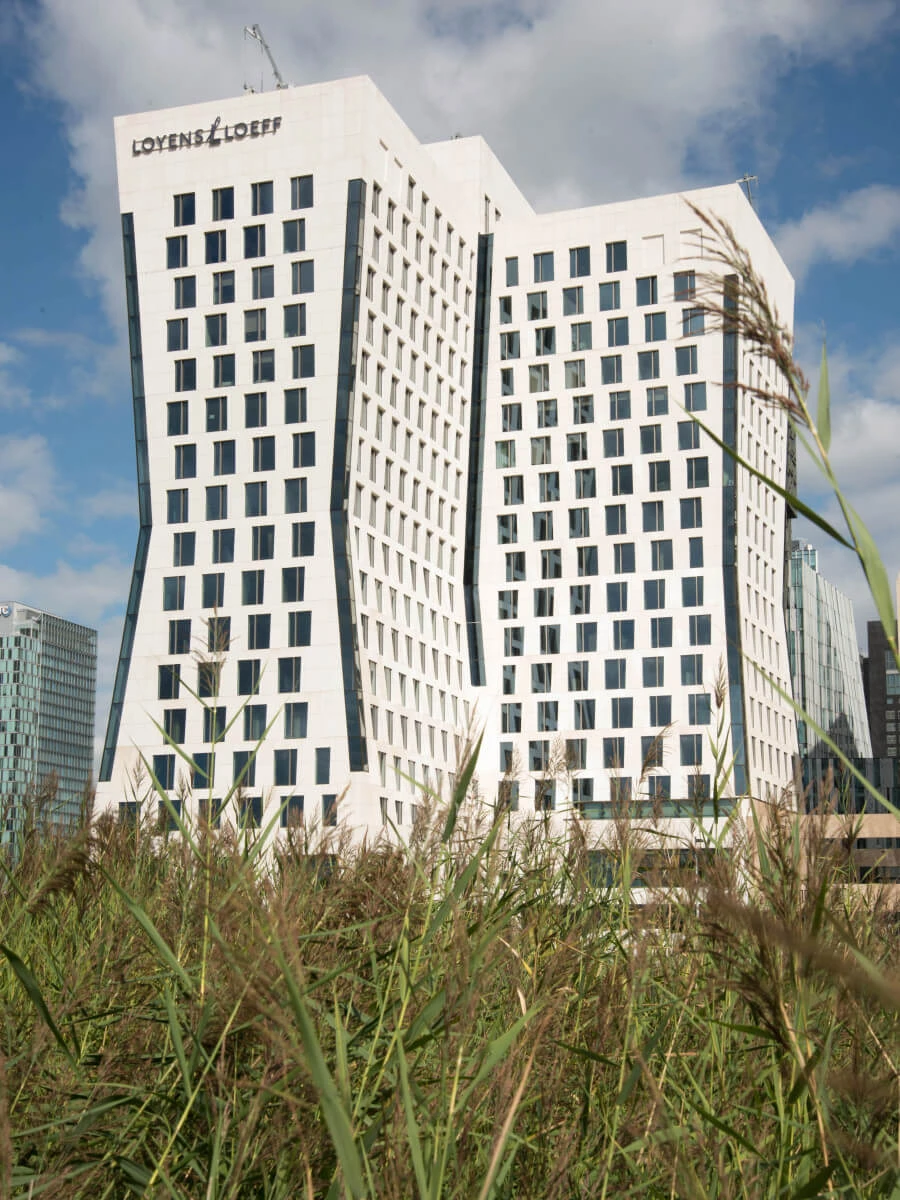
Hourglass, Amsterdam, Netherlands. Systems used: MB-86 SI, MB-SR50N, MB-SR60N
Sustainable urban planning is becoming a crucial aspect of developing urban areas. In the Netherlands, where there is a pressing shortage of housing, the challenge of utilizing already densely built-up areas for further development is growing. How can this be done while considering the needs of the circular economy and environmental protection?
According to the principles of sustainable development, where the Netherlands is a leader, all construction investments should aim for zero emissions. The priority in construction is to reduce its negative environmental impact — both during the construction phase and later, during the operation of buildings.
Meanwhile, the Netherlands is experiencing a housing crisis that has been steadily intensifying and is now becoming severe. Currently, there is a shortage of approximately 400,000 homes in the country. This situation requires swift and radical actions focused on increasing the availability of housing. How can these two needs be reconciled?
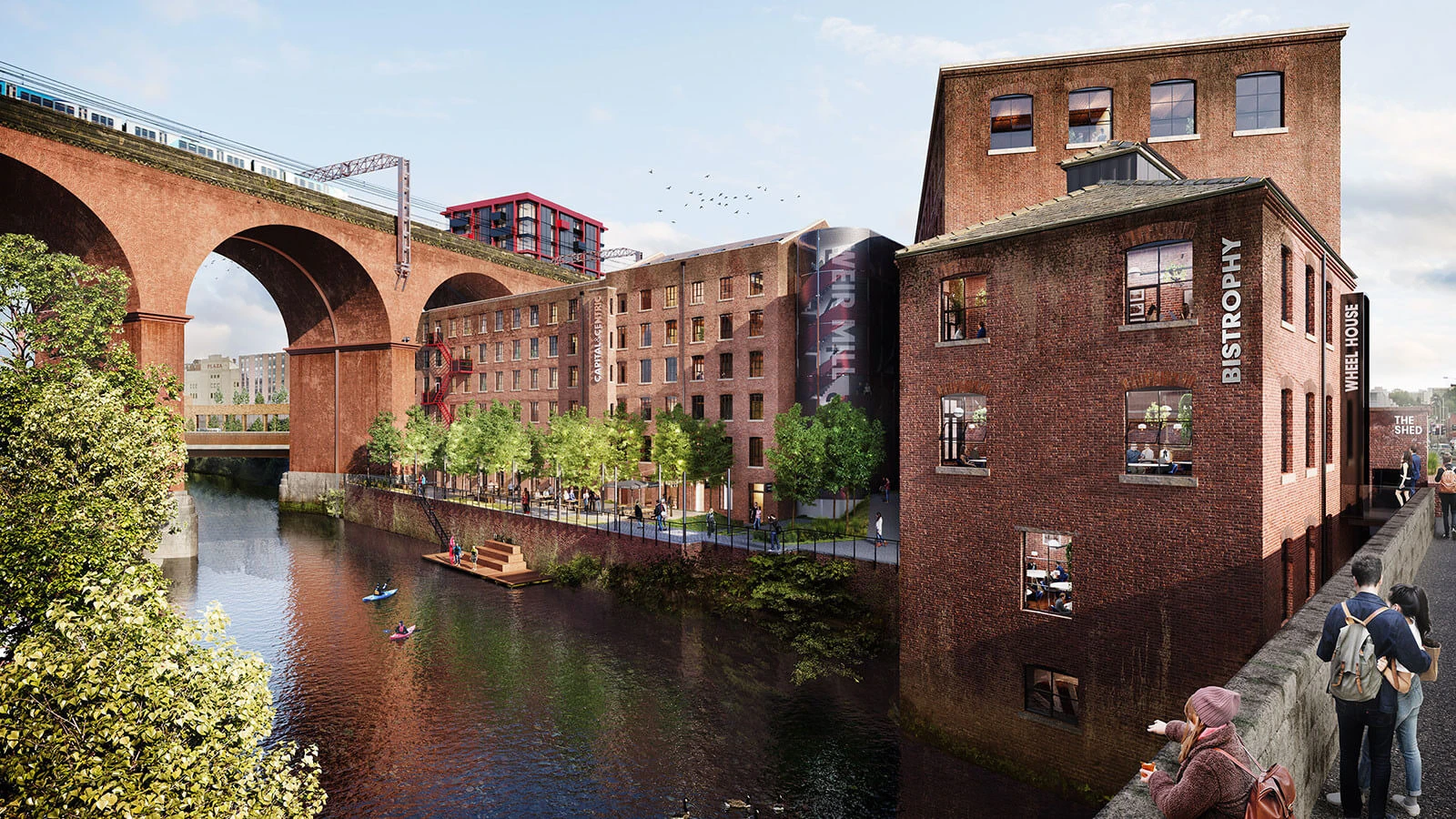
Weir Mill, Stockport, United Kingdom. Systems used: MB-70HI, MB-78EI, MB-Slimline
Revitalization of Existing Urban Areas
In light of shrinking land resources and the strong concentration of populations in city centers, the challenge lies in the redevelopment and more efficient use of already urbanized areas. Revitalization is not only about restoring the former glory of buildings but also adapting them to the modern needs of society. This often involves neglected industrial areas or historic centers, transforming them into vibrant living and business spaces.
A key aspect of revitalization is converting old buildings for residential or office purposes. In this regard, it is important to preserve the unique character of historical buildings while adapting them to contemporary comfort and energy efficiency standards. This approach allows for sustainable use of existing infrastructure, reduces emissions associated with new constructions, and revitalizes local communities.
– At Aluprof, we strongly support revitalization projects because we consider them crucial to the fabric of a vibrant and healthy city. We offer aluminum windows and doors specifically designed to meet the needs of projects focused on the revitalization of historic buildings. MB-Ferroline, with its narrow-profile aluminum window systems, or MB-Slimline, which can replace old-style windows made from steel profiles, are examples of systems used in many projects worldwide. They allow for the preservation of a building's uniqueness while providing excellent thermal insulation and reducing energy consumption – explains Michiel van Duren, Managing Director at Aluprof Nederland BV.
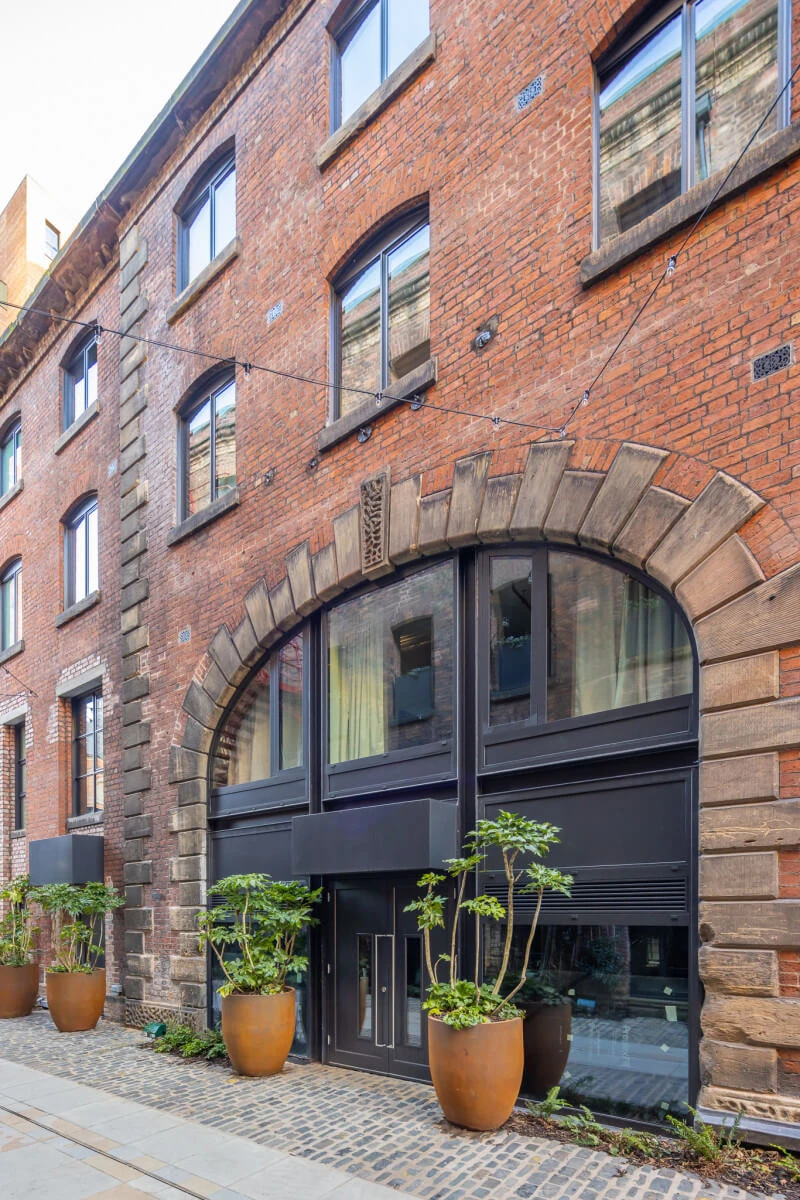
Kampus (Minto and Turner Building & Minshull), Manchester, United Kingdom. Systems used: MB-70, MB-Slimline, MB-SR50N
Technological Innovations in Urban Construction
– This is one of the fastest-growing sectors of sustainable building. The use of new construction materials, increasing the share of eco-friendly materials in the building process, and choosing materials that leave the smallest possible carbon footprint during construction, use, and after the building's life cycle are key elements of sustainable development in urban construction, emphasizes Michiel van Duren.
– As designers of aluminum construction solutions, we particularly focus on the ecological aspects. On one hand, we strive to maximize the amount of recycled aluminum in our products, which has allowed us to achieve significant reductions in our carbon footprint. On the other hand, we design solutions that align with modern construction standards in terms of energy efficiency (e.g., MB-104 PASSIVE), functionality (MB-86N PIVOT DOOR), and the maximum utilization of available spaces (pergola MB-OPENSKY 120), the expert adds.
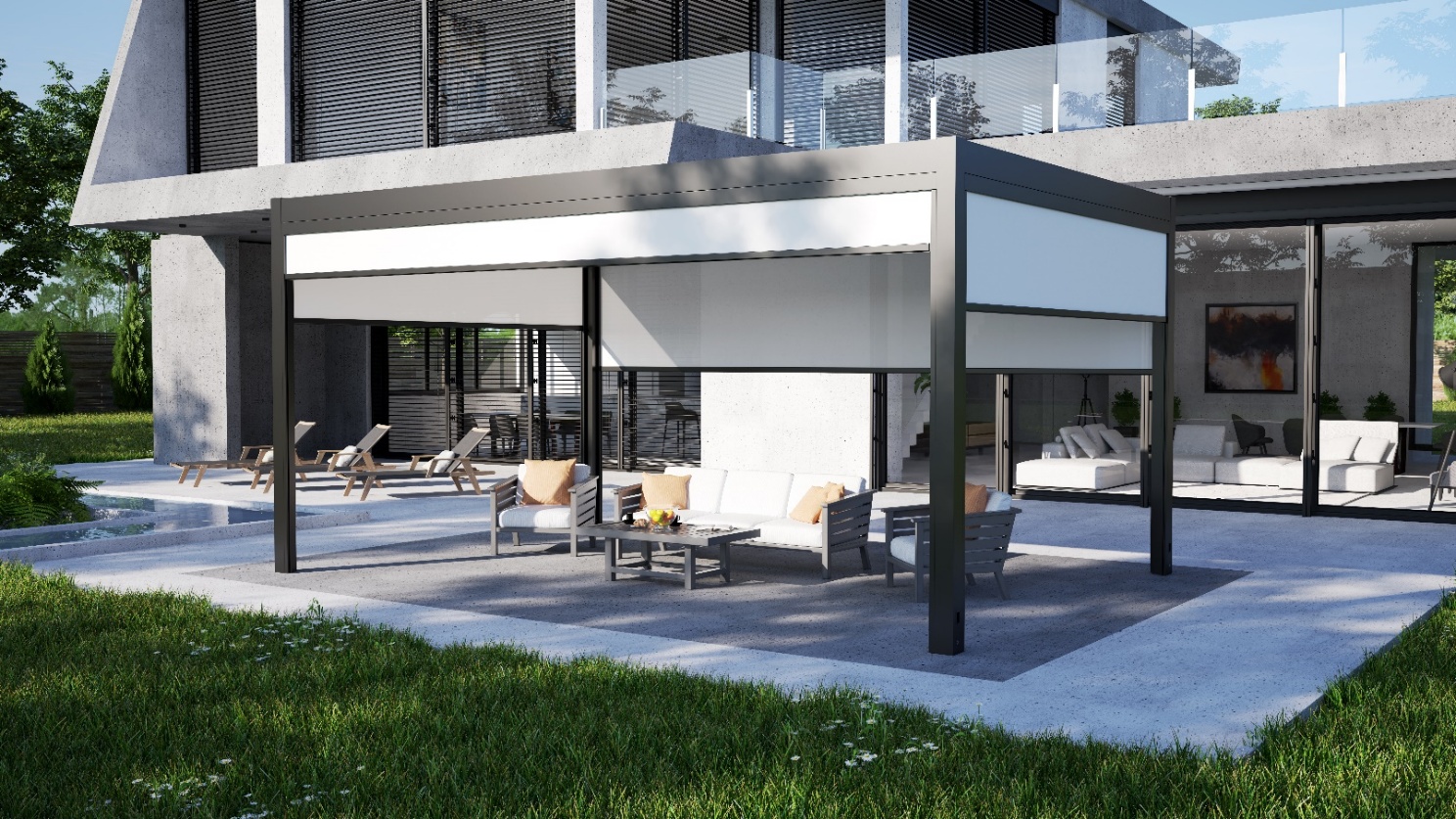
Pergola OPENSKY 120
Integrated Waste, Water, and Energy Management
Sustainable practices, implemented at various stages of the construction process, aim to minimize environmental impact and create living spaces that adhere to sustainable development principles.
Waste Management
Key elements of effective waste management to consider include:
- Recycling, reusing construction materials, and minimizing waste during the design phase.
- Designing systems that support waste segregation (e.g., urban composters, accessibility of selective waste collection).
- Educational programs and information campaigns aimed at raising awareness among construction workers and future users of the buildings.
Water Conservation
- Utilizing advanced water retention systems, which is particularly important in the Netherlands, where 93,000 hectares of natural areas suffer from groundwater depletion.
- Modern systems such as rainwater harvesting, green roofs, and water recycling systems within individual buildings can effectively support water management.
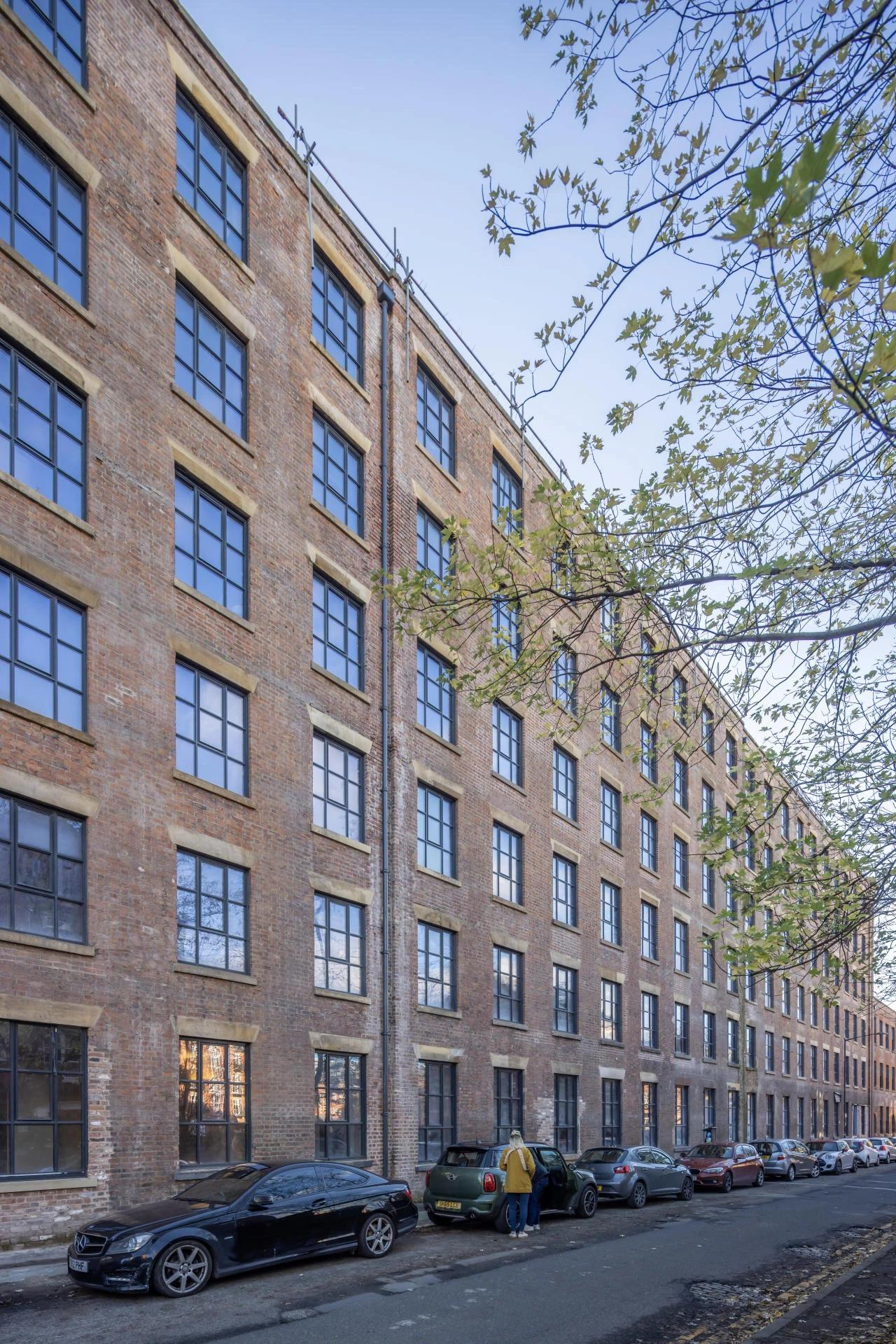
Pheonix & Crusader Mills, Manchester, United Kingdom. Systems used: MB-SLIMLINE
Energy Conservation
This involves using the latest technologies to minimize energy consumption. A prime example is the use of IoT (Internet of Things) and AI to manage neighborhood or building common area lighting in a way that matches residents' lifestyles, while simultaneously enhancing safety and conserving energy.
Another example is promoting urban mobility by designing residential areas that reflect the movement patterns of residents, encouraging shared economy systems, and promoting green transport by expanding bicycle paths.
The concept of Smart Cities is becoming an integral part of this transformation, emphasizing the use of modern technology to improve efficiency, sustainability, and the quality of life for residents.
Social Education and Community Involvement in Environmental Protection
Finally, a point often overlooked but equally important is preparing and engaging residents in caring for the environment.
The first element is community participation during the spatial planning phase. Building in an urban area involves integrating new structures into the existing community fabric. No one is more familiar with the needs and issues of a given area than its current users. Through public consultations, it is possible to utilize residents' experiences and habits to design communication pathways, the nature of green spaces, and the purpose of facilities.
As a leader in sustainable development, the Netherlands involves the local community in the decision-making process regarding spatial planning, contributing to better alignment of investments with the actual needs of residents.
The second important aspect is education, ensuring everyone understands not only the role they play in the fight to improve the climate but also how, as individuals and part of a community, they can actively support environmental protection and reduce energy consumption through daily actions — saving water, reducing energy waste, using alternative or less energy-intensive devices, and properly managing temperature and waste at home.
Let's Build a Better Future
Sustainable urban planning focuses not just on the aesthetics of cities but also actively engages the community. It takes care of mobility, accessibility to recreational areas, and protection of the natural environment, inspiring the development of forward-thinking, eco-friendly, and resident-friendly urban areas.