
The impact of panoramic windows on residents’ comfort: energy and aesthetic aspects
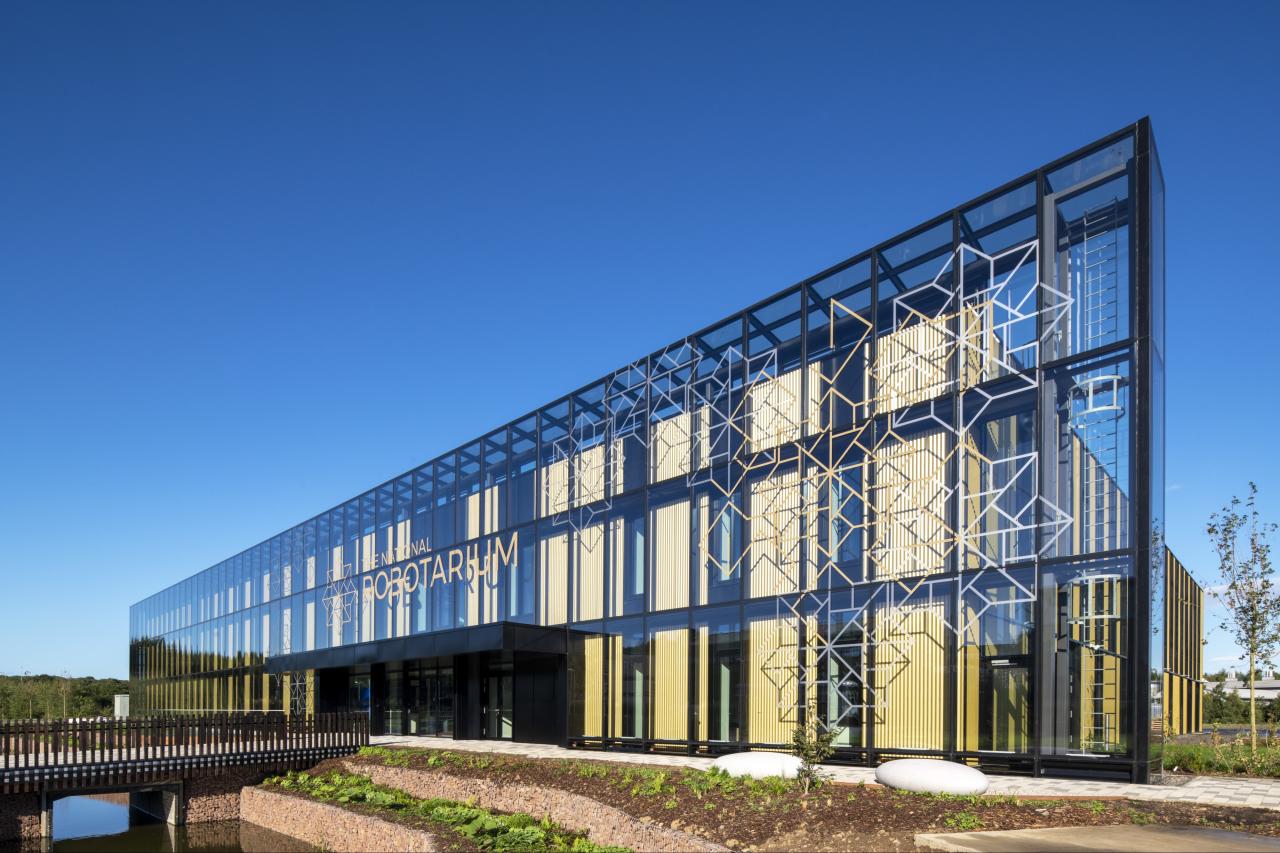
HERIOT WATT UNIVERSITY – ROBOTARIUM INNOVATION HUB ACTIVE, Edinburgh, Wielka Brytania. System used: MB-78EI, MB-86 ST, MB-SR50 EFEKT, MB-SR50N
Windows in modern construction are clearly more than glazed insulation against the cold. In the era of passive and energy-efficient construction, windows play a key role in harvesting heat from renewable sources. The larger their surface area, the greater the chance to optimize a building’s energy performance. A practical solution in this regard is panoramic windows, which, in addition to energy efficiency, also provide an impressive building design.
Reducing energy consumption of buildings to a minimum stems from EU directives that envisage zero-emission buildings by 2050. The use of large-format aluminium panoramic windows will facilitate the industry’s achievement of this goal.
Window – a key element of Zero-Emission Buildings
Solar energy captured by windows enables passive heating of spaces, and thus increases the building’s energy efficiency. To maximize this energy-harvesting path, the key is not only the window’s orientation relative to the cardinal directions but also matching its surface area to the room’s floor area.
– The proper location of windows can yield as much as 45% of the energy needed – emphasizes Rafael Altheim of Aluprof, an international manufacturer of aluminium systems in Europe. – Considering that annual energy losses through fenestration in traditional construction amount to 10–15%, obtaining energy from a renewable source to such a degree is highly beneficial for a building’s energy efficiency – he adds.
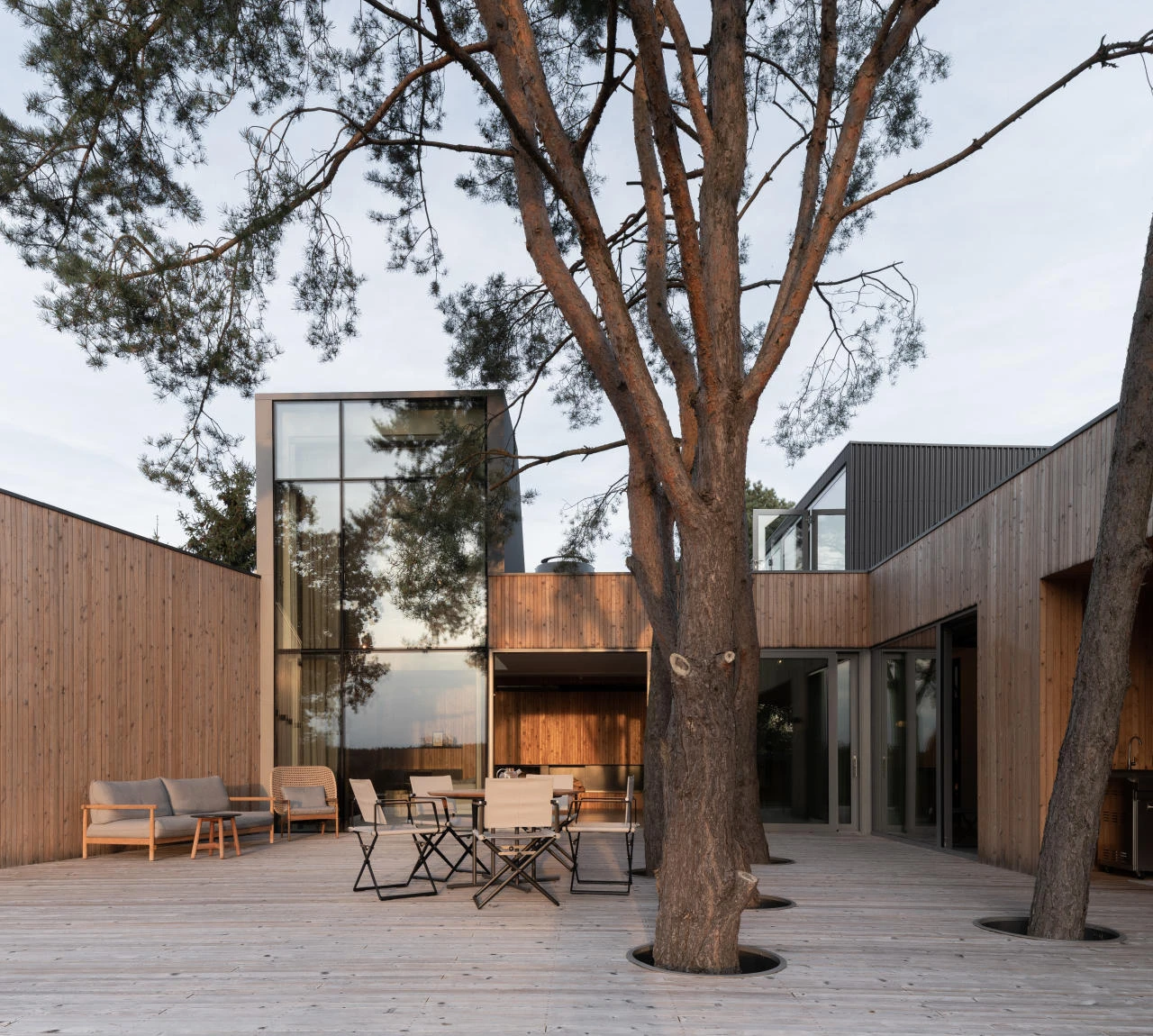
Terrace with a lakeside house, Konin, Poland. Systems used: MB-86 ST, MB-SR50N.
The best location for a panoramic window (occupying about 50% of the wall area) is the south-facing façade, or possibly the south-west or south-east façade.
High thermal insulation and comprehensive solutions
Obviously, panoramic windows must meet high insulation requirements. In this context, the number of glazing panes, the seals used, or the insulators are not the only factors; the overall insulation of the entire structure on which the windows are installed also matters. Therefore, it is essential to rely on holistic window-system solutions. An example of such a solution is the aluminium façade in the MB-SR50N system, which provides a solid foundation for integrating a variety of window types into building façades (including tilt and roof windows) while maintaining high insulation performance of the entire construction.
- The innovative aluminium façade systems and window-and-door systems offered by our company are a response to the housing construction market’s needs for ecological, lightweight, and highly energy-efficient solutions – says Rafael Altheim.
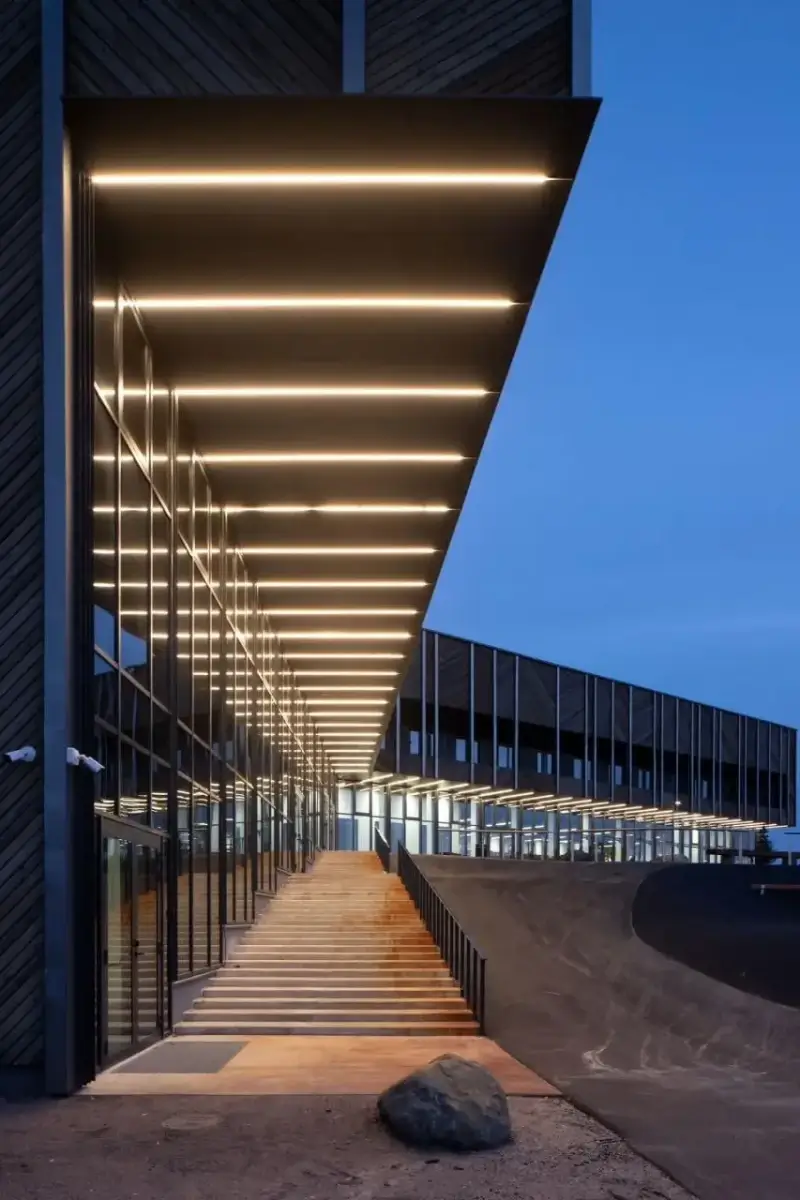
Hiiumaa Sports Center, Hiiumaa, Estonia. Systems used: MB-70, MB-78EI, MB-78EI DPA, MB-SR50N, MB-SR50N EI, MB-SR50N HI+.
The aluminium mullion-transom façade MB-SR50N guarantees not only high thermal insulation but also an architectural aesthetic, with façades featuring visible slender dividing lines. This style integrates well with both modern construction and historic architecture, which means that the use of panoramic windows to optimize a building’s energy performance is not reserved solely for new investments.
Not only panoramic windows
Multi-pane glazing in buildings does not have to be limited to windows. Modern technologies allow manufacturers to offer energy-efficient and visually appealing panoramic doors with wide applicability. In living spaces, for example, the aluminium sliding doors MB-Skyline Type-R perform just as well, recently enhanced with two new solutions – a minimalist handle and a fixed post. The advantage of this system is not only its minimalist design but also its ability to create a functional glazing with a truly large surface area.
- In the case of aluminium sliding doors with a hidden frame in the MB-Skyline Type R system, the height of the construction can reach up to 4 m, and the leaf weight (with a hidden actuator) can be as much as 1200 kg – says Rafael Altheim.
- Despite its weight, opening the doors does not require much force, and the entire system operates silently.
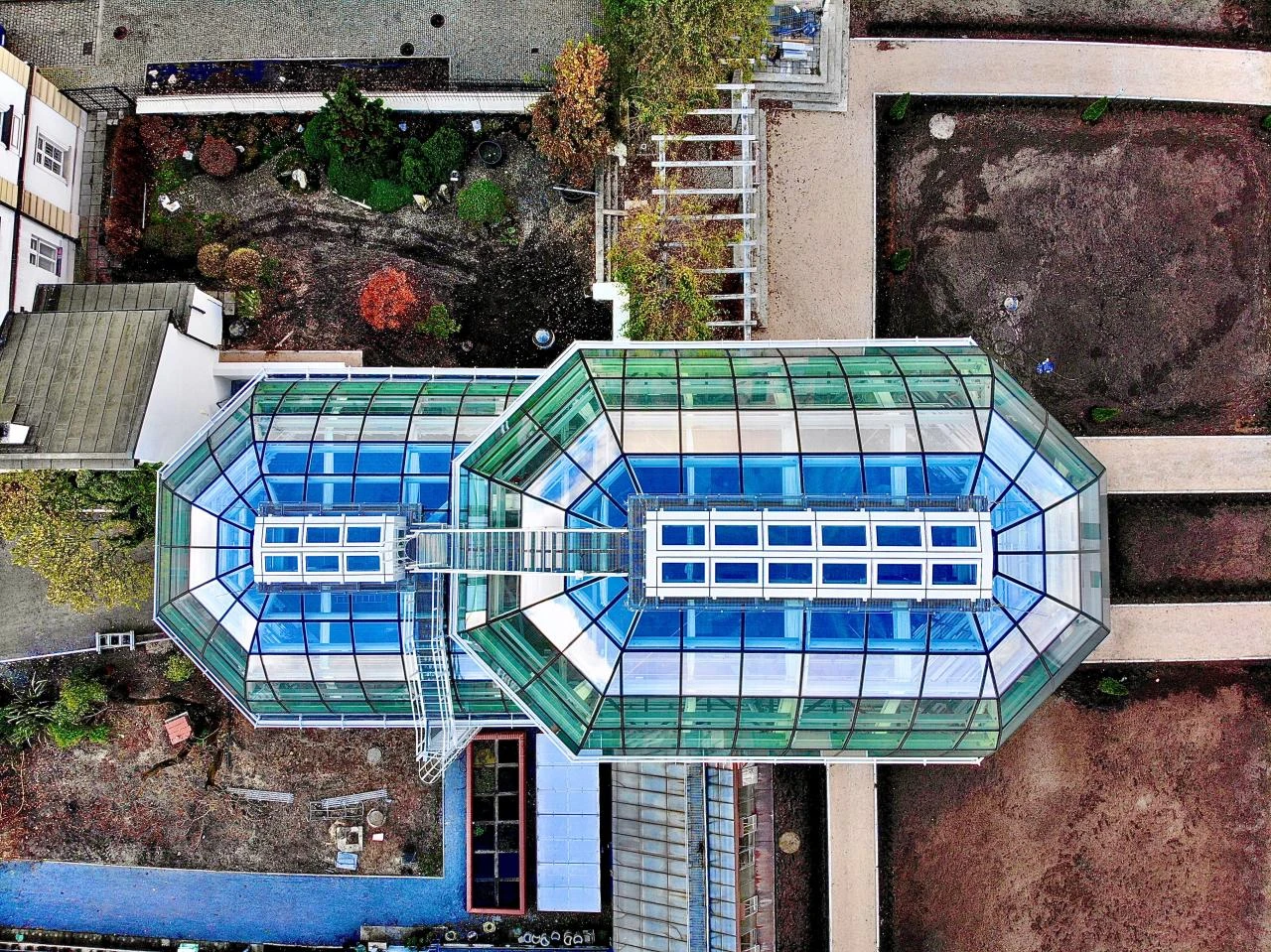
Greenhouse at the Jagiellonian University Botanical Garden (UJ), Kraków, Poland. Systems used: MB-SR50N.
Not only in homes
Multi-surface glazing systems should be used in diverse spaces. With, for example, the all-glass sliding enclosure in the MB-OpenSlide system, which enables year-round terrace enclosures, it is worth optimizing the use of such surfaces.
- Sliding leaves in the MB-OpenSlide system, depending on their number, can be slid to one side or symmetrically to both sides, allowing the terrace to be opened on warm days – emphasizes Rafael Altheim.
- In cooler temperatures, closing the system, whose hallmark is also high insulation performance, will provide effective protection of the terrace interior against cold, moisture, and heat loss.
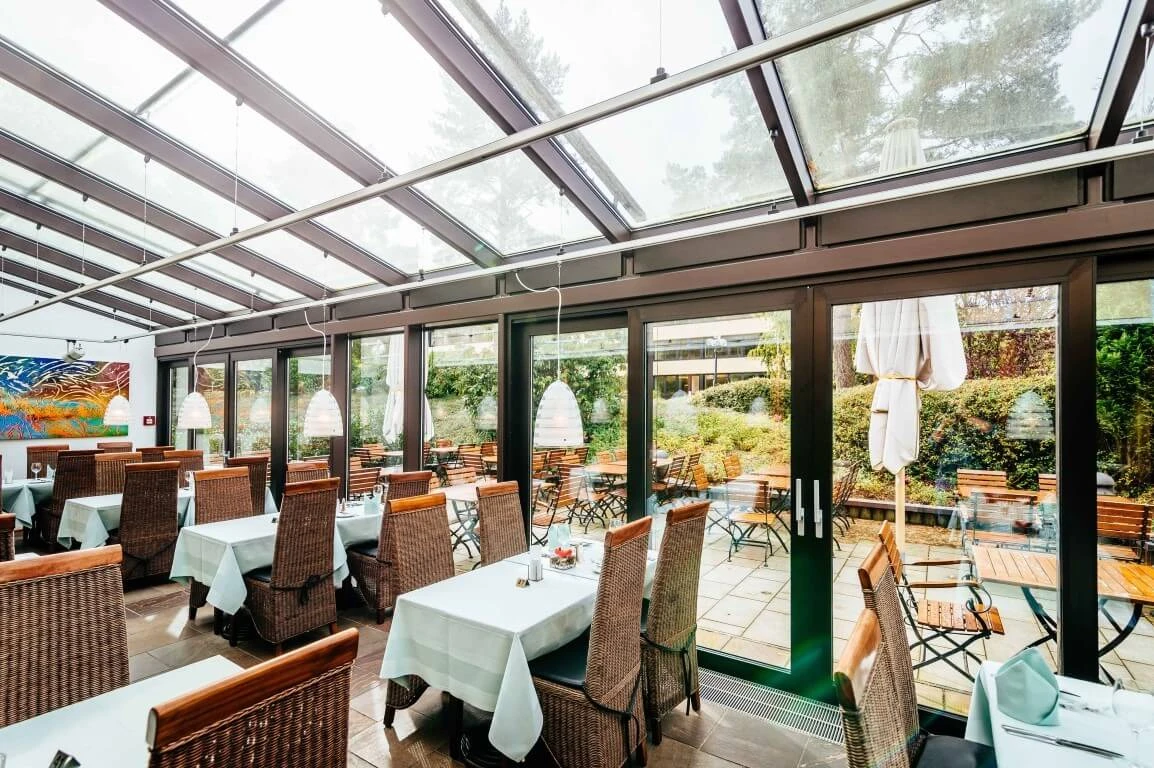
Hotel Bredeney, Essen, Germany. Systems used: MB-77HS, MB-SR50N HI.
It is worth noting that panoramic glazing will also perform well in commercial or public buildings. A solution designed for such investments is aluminium doors in the MB-100GFT system, which are used in galleries, restaurants or offices.
- The advantages of the MB-100GFT system will be appreciated by anyone seeking doors with a robust build and high mechanical resistance (even up to 1,000,000 cycles). In this system you can manufacture, among others, single-leaf doors, double-leaf doors, storefronts and architectural space-frame constructions, all characterized by high aesthetics as well as convenience and safety of use – says Rafael Altheim.
Undeniable advantages of this solution also include high durability, a low threshold with a ramp, a concealed closer in the frame, and the so-called “safe close”.
Let’s build a better future!
The use of panoramic windows positively influences not only the building’s aesthetics but, above all, its functionality and energy efficiency. Following the principles of sustainable construction, the industry should increasingly open its structural solutions to nature. The use of modern solutions will fully integrate residential and commercial construction with the surrounding natural environment, so that they harmonize for the future of generations to come.