
From Scrap to Value: The Economics of Recycled Aluminium in Modern Construction
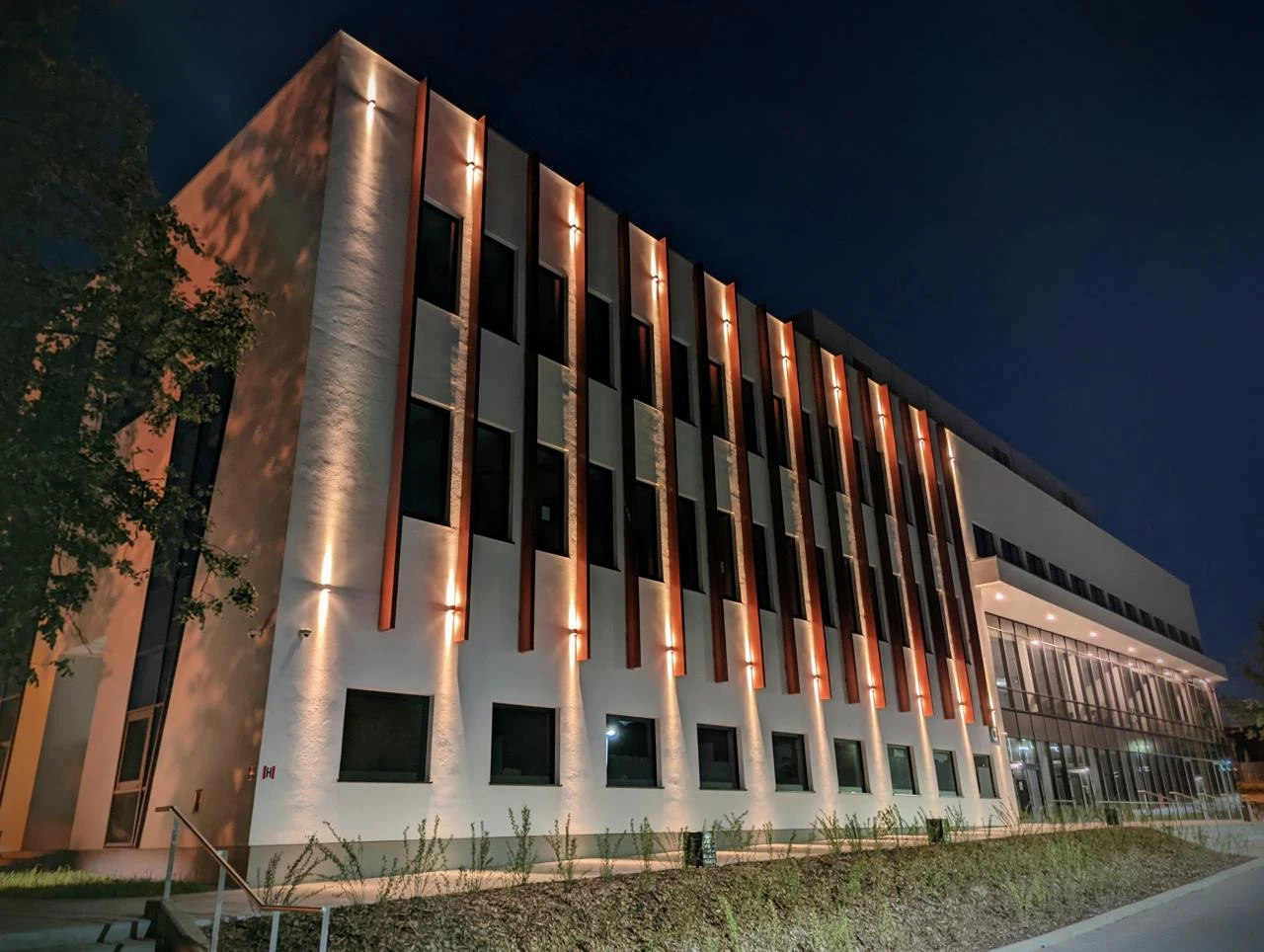
Faculty of Law and Social Sciences, Jan Kochanowski University, Kielce, Poland. Systems used: MB-45, MB-78EI, MB-79N, MB-SR50N
When considering the choice of construction technology for a building structure, one of the key factors is the cost of materials. The price of materials used in a construction project has a significant impact on the project’s total cost. How does recycled aluminium compare with traditional building materials?
Traditional building materials such as brick, timber and clay may be readily available, and in some regions they can also be inexpensive to source. This makes them a popular choice for the construction of buildings. However, there are numerous limitations to their use, including vulnerability to natural disasters such as earthquakes and fires. By contrast, almost any metal, including aluminium, is a durable material capable of withstanding harsh weather conditions. The cost of metal structures can be higher than that of traditional materials, but their strength and durability make them a more cost-effective option in the long term.
In addition, the cost of aluminium can be offset by its low maintenance requirements and longevity. Although the initial investment in aluminium materials may be higher, the long-term benefits of using them make aluminium a more economical choice for construction projects. Choosing recycled aluminium makes economic sense and also delivers environmental benefits.
Lower maintenance and upkeep costs for aluminium structures
The economic efficiency of aluminium becomes particularly clear when we move beyond the construction stage and analyse the building’s life cycle. The material’s corrosion resistance means that aluminium components do not generate high maintenance costs and can remain intact for a long time. There are neither the environmental nor the financial operating costs associated with protecting concrete, timber or other types of structures.
Aluminium’s high durability also translates into lower repair costs, even over a long service life.
The service life of aluminium structures is estimated at more than 70 years. These are only estimates, as the example of the Empire State Building, which will soon reach the 100-year mark, shows that aluminium structures can last much longer.
By comparison, concrete structures – depending on the construction method and climatic conditions (humidity, sunlight exposure and wind strength) – can remain in service for 30 to 100 years. Operating costs are further increased by the need to repair and protect the building.
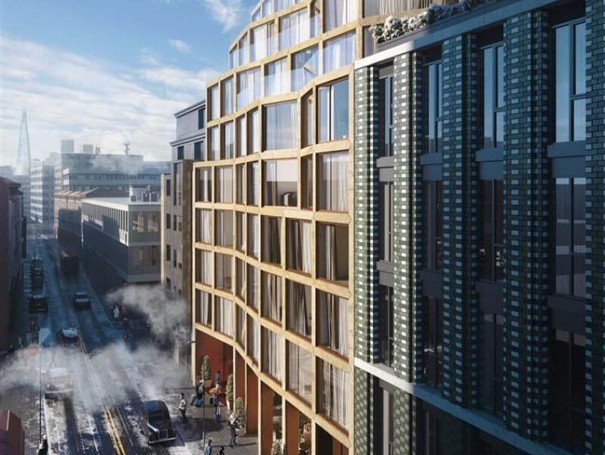
Maldron Hotel, Shoreditch, London, United Kingdom. Systems used: MB-SR60N, MB-SR60N, MB-SR60N HI
Primary aluminium vs recycling
Did you know that recycling 1 tonne of aluminium saves 4 tonnes of bauxite? This matters because although aluminium can be processed endlessly, bauxite deposits are not inexhaustible.
According to data from the United States Geological Survey (USGS), global bauxite resources amount to 55–75 billion tonnes, while basic reserves total 30 billion tonnes. With annual extraction at around 300 million tonnes, bauxite can be mined for at least 100 years. Even though it is a material with substantial reserves, it is not unlimited, so it is worth ensuring that these reserves are preserved for as long as possible.
At Aluprof, we use up to 65% recycled aluminium in our smelting process. This allows us not only to reduce the consumption of natural ores, but above all to lower a building’s carbon footprint. Overall, our use of secondary aluminium results in a carbon footprint of 2.9 t CO2e/t. This is significantly lower than the global average (16.7 t CO2e/t) and the European average (6.7 t CO2e/t) – explains Michiel van Duren, Managing Director at Aluprof Nederland BV.
Hidden costs of construction waste
Just how valuable aluminium is as a building material becomes evident in one more area: the costs associated with processing construction waste, whether generated during construction or after demolition. As much as 37% of building materials used during construction becomes waste. This is a huge proportion that must be disposed of and that not only contributes to growing environmental problems, but above all becomes a real issue for investors and contractors.
Aluminium means not only less waste, but above all the possibility of putting that waste to use. This also applies when we choose recycled aluminium because, as we have already mentioned many times, it can be transformed endlessly without any loss of quality.
Recycled aluminium can be successfully used in a circular economy, leading not only to a reduction in a building’s carbon footprint, but also supporting the achievement of certifications increasingly expected by investors, such as BREEAM or LEED.
Many buildings featuring Aluprof aluminium façades, have obtained certifications confirming their quality and energy efficiency. These include not only BREEAM and LEED certifications, but also passive building certificates and the Cradle to Cradle circular economy certification – explains van Duren.
In addition, the company’s aluminium solutions provide the buildings in which they are used with high thermal insulation, making it possible to significantly reduce operating costs. Examples include aluminium façades in the MB-MM50N and MB-MT50N systems. Their components and manufacturing process also meet the requirements of sustainable development and the principles of the circular economy.
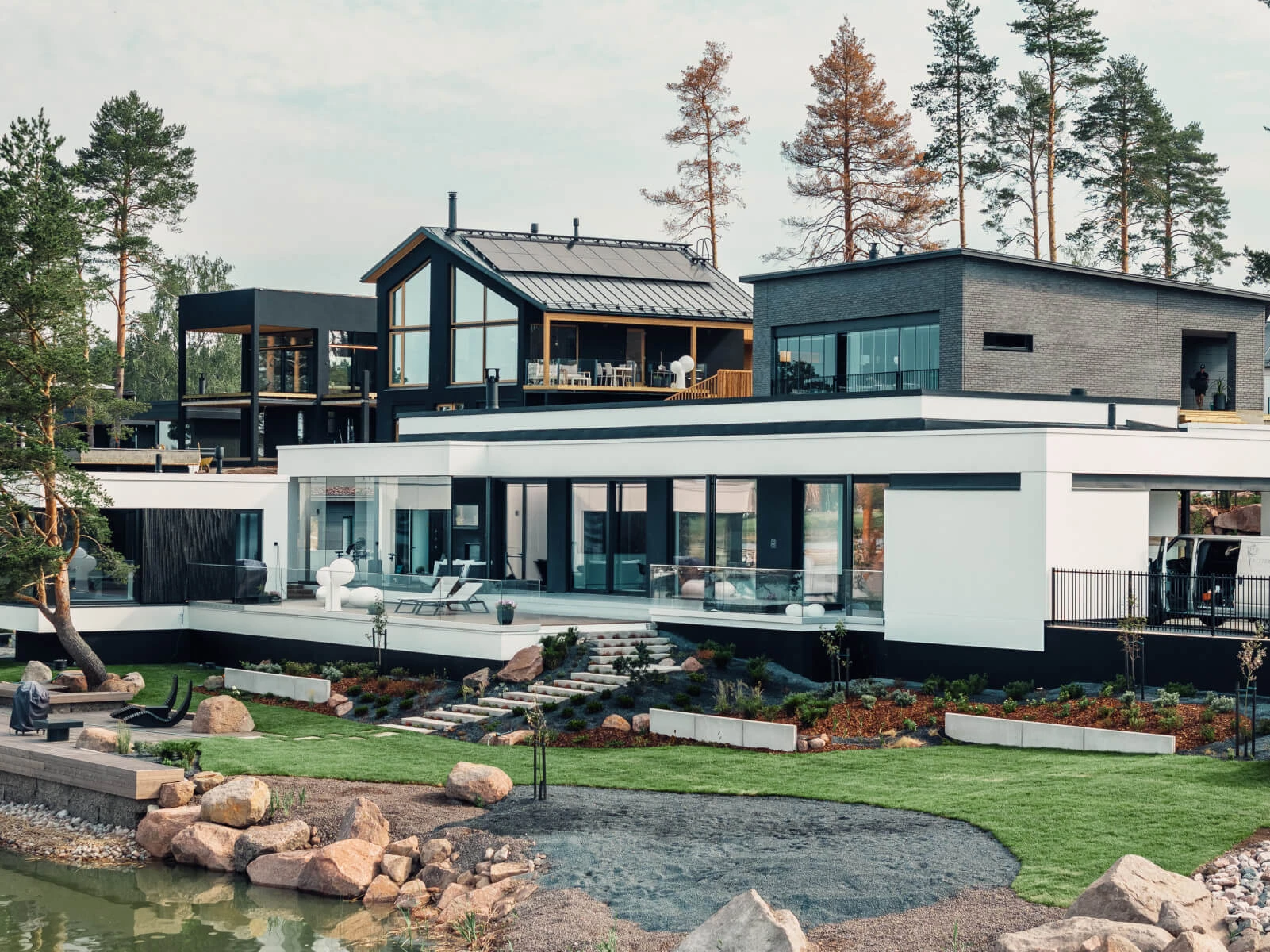
Villa Havet, Lovisa, Finland. Systems used: MB-77HS HI, MB-79N SI
Let’s Build a Better Future
In today’s world, where environmental concerns are becoming increasingly important, aluminium building structures made using recycled aluminium represent a successful combination of ecology and economics. From a broader perspective, they deliver savings through lower costs of building maintenance, upkeep, renovation and, ultimately, the disposal of demolition materials. They also make it possible to obtain environmental certifications, which increase a building’s value in the eyes of investors.
The long-term economic benefits of using recycled aluminium in construction –including energy savings, reduced environmental costs and long-lasting durability—outweigh those associated with traditional building materials.