
Modern Technologies in the Service of Sustainable Renovation
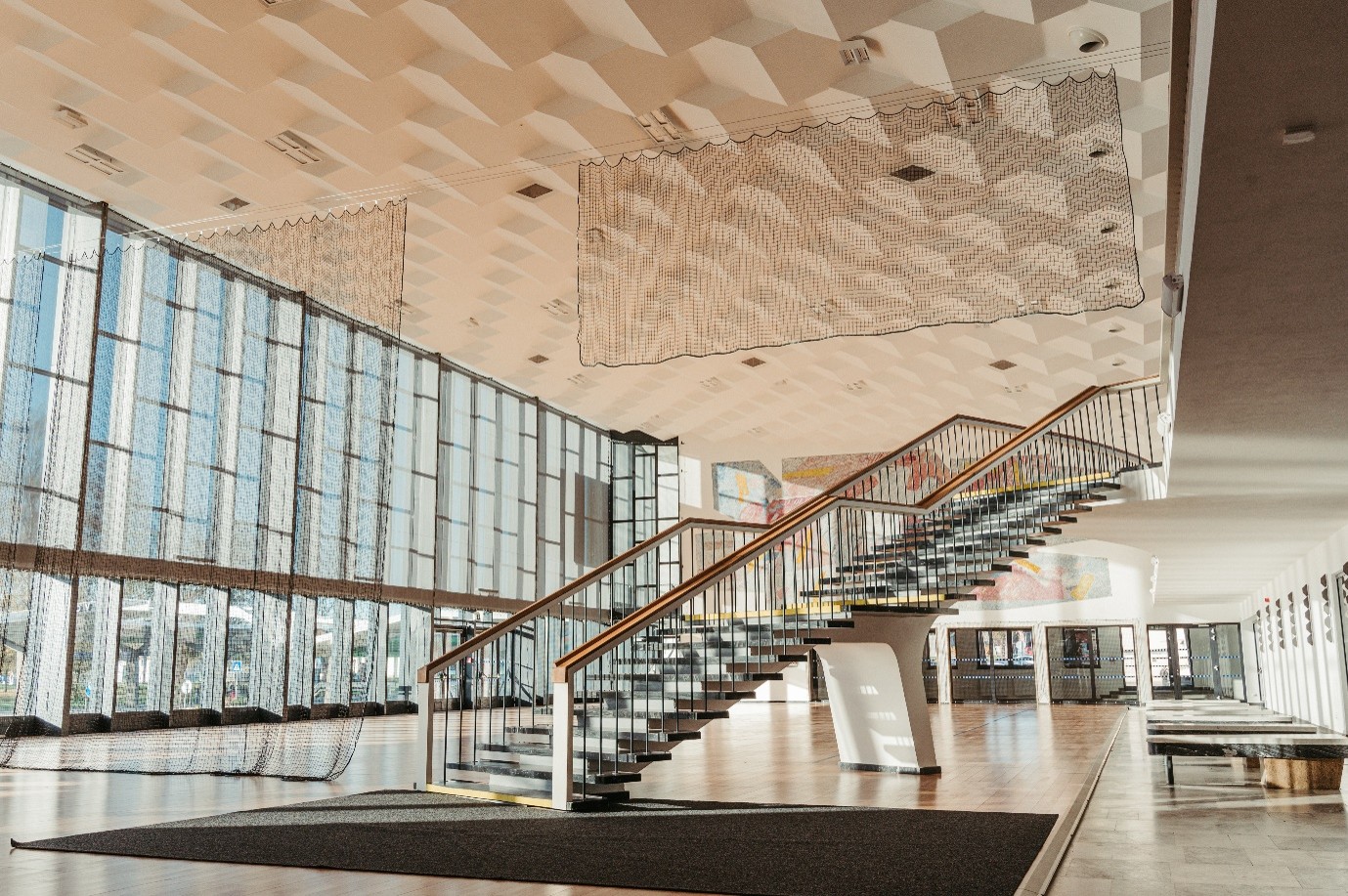
Havířov Railway Station, Havířov, Czech Republic, systems used: MB-70HI, MB-SR50N
Today’s construction sector is evolving rapidly in response to the growing demand for a more environmentally responsible approach. One of the industry’s key challenges is to improve energy efficiency in ways that minimise the negative impact on the natural environment while ensuring comfort for building users. Modern technologies and recycled materials play an important role in creating more sustainable renovation solutions. How do innovations influence construction, and why are they so important?
A Step Towards the Future Through Sustainable Renovation
One of the most important trends in the construction industry is building modernisation. The aim of sustainable renovation is to improve the energy performance of buildings, minimise their negative environmental impact, and enhance user comfort. It is also essential to take into account the need to preserve natural resources and to address socio-economic considerations.
The future of the planet depends on action in this area. Sustainable renovation supported by modern technologies helps reduce greenhouse gas emissions and lower energy consumption. In addition, this process promotes the use of eco-friendly materials such as recycled glass and aluminium. From a broader perspective, it supports the achievement of sustainable development goals.
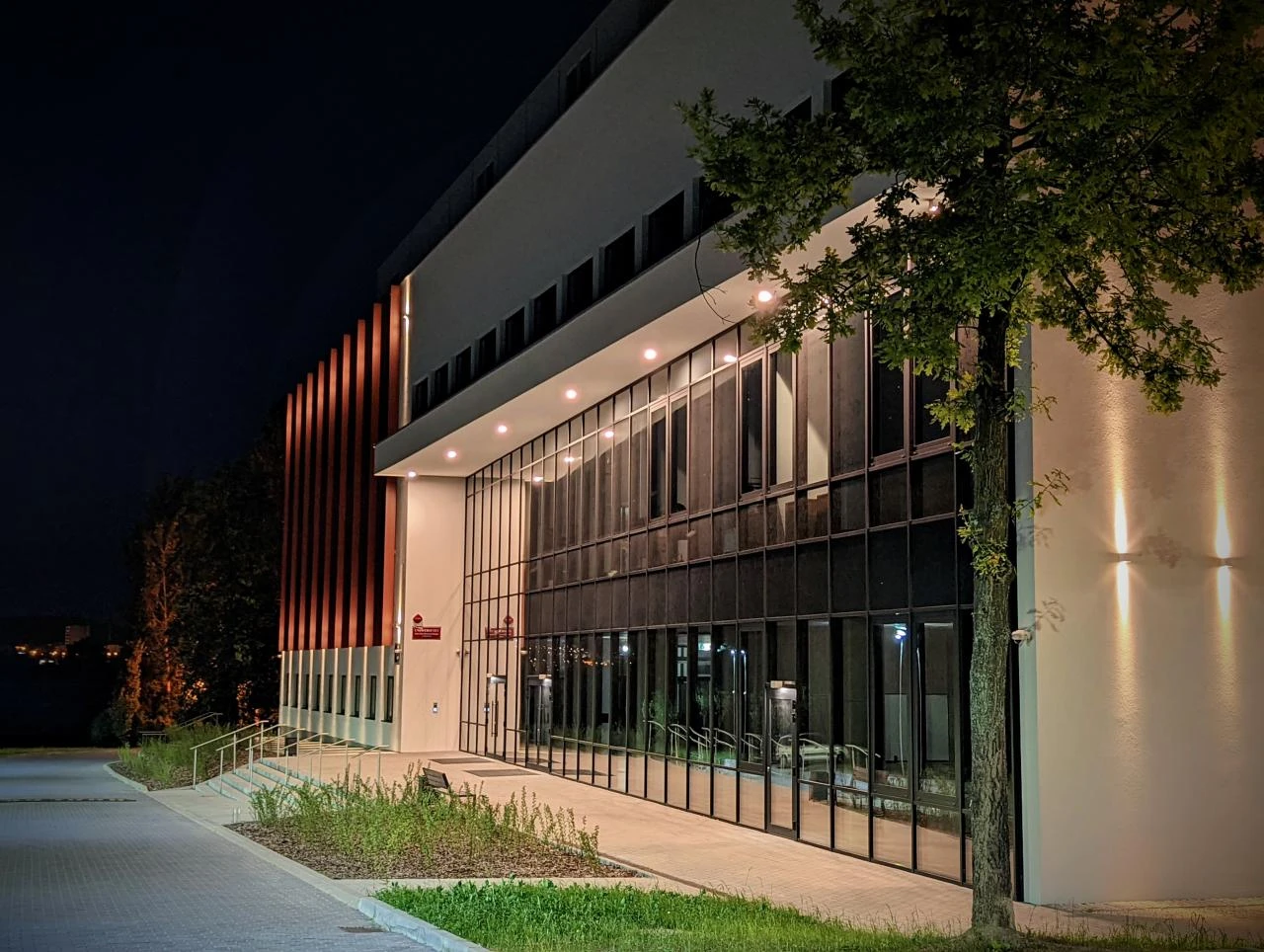
Faculty of Law and Social Sciences, Jan Kochanowski University, Kielce, Poland. Systems used: MB-45, MB-78EI, MB-79N, MB-SR50N
Support in the Fight Against Climate Change
The pursuit of sustainable building renovation is becoming not only a trend, but a necessity. The implementation of the Fourth Energy Performance of Buildings Directive (EPBD IV) in the Czech Republic plays an important role in reducing greenhouse gas emissions and supporting sustainable development. Updating standards in line with the directive requires the deployment of modern technologies and eco-friendly materials. In addition, promoting low-energy buildings can help increase the number of energy-efficient structures, supporting the Czech Republic in its efforts to meet climate-related goals.
Eco-Friendly Materials in the Spotlight
Among the emerging trends in the construction sector, increasing importance is being attached to the use of environmentally friendly materials. Government regulations on energy saving are driving greater demand for sustainable solutions, including in the context of building renovation. For example, the International Energy Agency’s (IEA) net zero emissions by 2050 scenario highlights the urgent need to improve technical efficiency. Savings can be achieved, among other things, by using better-insulating construction materials, introducing modern technologies, and improving the renovation process itself.
As Marek Šišolák, Managing Director of Aluprof System Czech s.r.o., says:
“Implementing modern technologies in building renovation is not only a step towards energy efficiency. It is also a way to harmoniously combine aesthetics with functionality, resulting in a better quality of life and greater respect for our planet.”
This confirms the importance of efforts aimed at improving the construction sector.
How Do Building Materials Influence Sustainable Renovation?
The rise in global temperatures, highlighted by the IEA in its 2023 report, presents challenges related to reducing electricity demand and cutting greenhouse gas emissions. In addition, one of the current objectives of the Green Deal is for EU Member States to improve energy efficiency by 11.7% by 2030. One solution that can help in this situation is a stronger focus on sustainability.
Choosing recycled materials brings benefits in many respects. Recovering aluminium from scrap can save up to 95% of the energy that would be required to produce it from bauxite. It also helps avoid around 96% of air and water pollution. Aluprof products contain up to 65% recycled aluminium, selected in accordance with rigorous quality requirements.
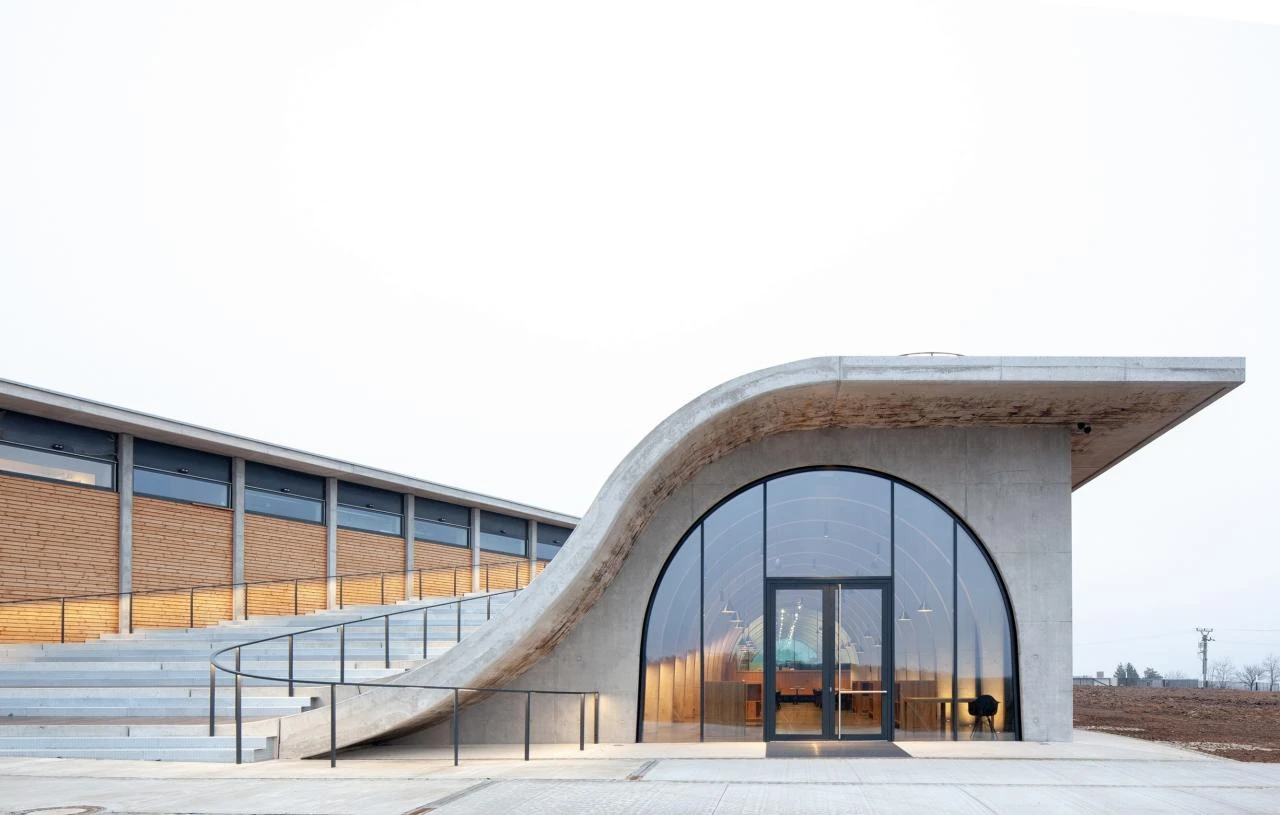
Vinařství Lahofer, Dobšice, Czech Republic. Systems used: MB-104 PASSIVE, MB-78EI, MB-SR50N
Measures Supporting Sustainable Renovation
Reducing the negative environmental impact of the construction industry involves the use of a variety of solutions. Intelligent energy management systems also prove helpful in sustainable renovation. By monitoring and controlling electricity consumption, they can contribute to reducing CO2 emissions, lowering operating costs, and improving energy efficiency. Thanks to automation and intelligent data analysis, buildings become more self-sufficient and environmentally friendly.
An equally important issue is the use of components made from eco-friendly materials. Aluminium windows and doors in the system MB- 79N are a good choice, as they meet enhanced thermal insulation requirements. It is also worth considering windows in the system MB-104 PASSIVE, advanced technological solutions designed for passive and energy-efficient construction.
Practical Solutions in Action
The use of Aluprof systems in building renovation is a step towards the future in terms of energy efficiency, as well as an opportunity to aesthetically revitalise urban architecture. Thanks to the excellent airtightness and thermal performance offered by aluminium windows and doors in the system MB-86N, buildings gain a new dimension – becoming more energy-efficient, functional, and visually attractive.
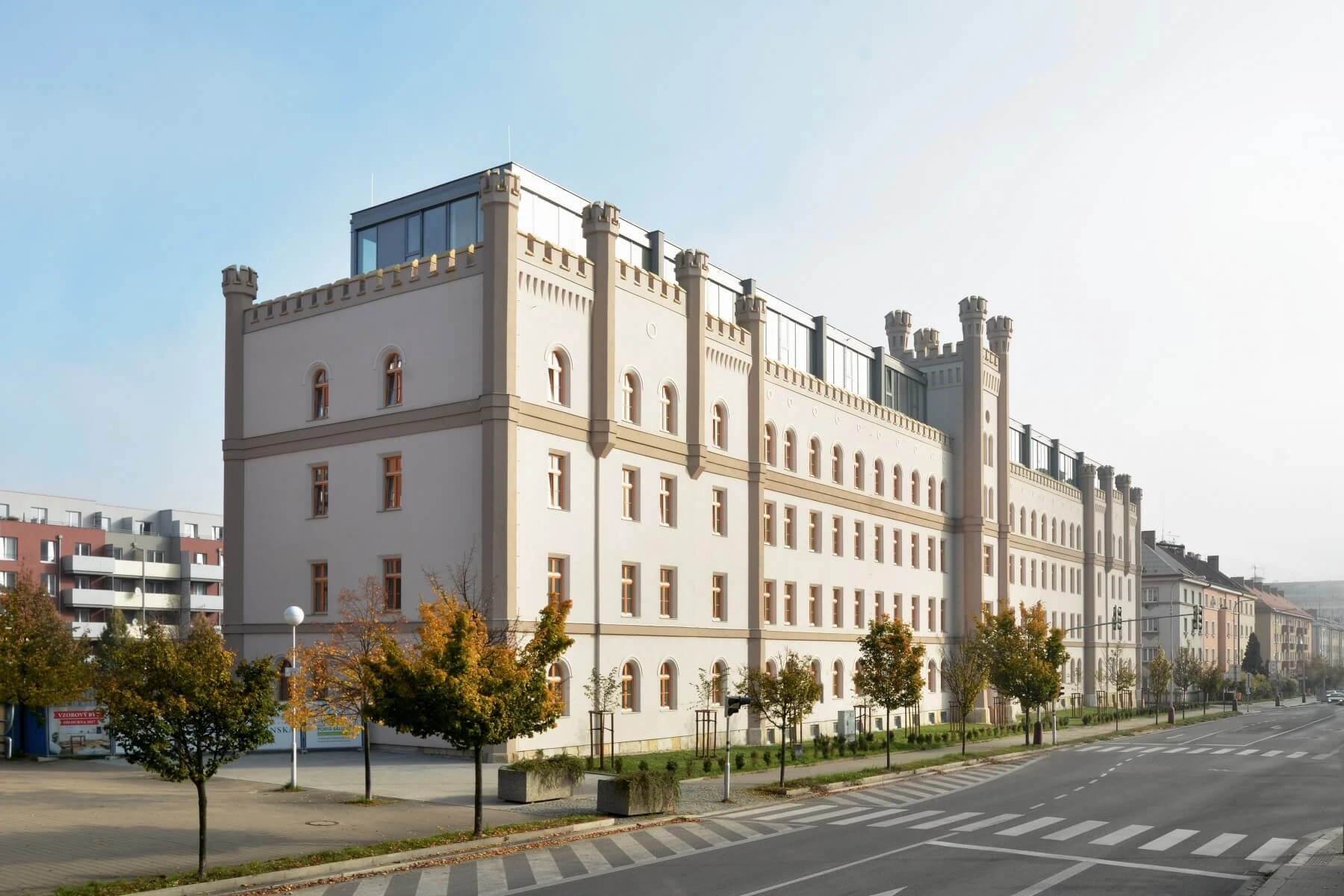
Rezidence Jičínská, Mladá Boleslav, Czech Republic. Systems used: MB-70HI and MB-86.
Examples of Sustainable Renovation Projects
Let us take a look at Rezidence Jičínská, a residential building in the Czech Republic where Aluprof aluminium windows and doors in the MB-70HI and MB-86 systems were used. This contributed to improved insulation and reduced energy demand. As a result, the building has become a model of sustainable architecture that makes use of modern technologies.
Meanwhile, during the renovation of another building in the Czech Republic – Havířov railway station – aluminium windows and doors in the MB-70HI and MB-SR50N systems were used. The result is a combination of advanced technology and aesthetics, creating a functional space that serves as a showcase for a modern city.
Examples such as these show that technologically advanced solutions can support sustainable renovation while ensuring comfortable conditions for users.
Let’s Build a Better Future
Sustainable renovation is becoming an integral part of the construction industry, and modern technologies, including Aluprof products, play an important role in this process. They make it possible to create a future in which care for the environment goes hand in hand with innovation and energy efficiency. The integration of advanced solutions and eco-friendly materials into construction not only increases the functional value of buildings, but also enhances their aesthetics. As a result, buildings cease to be merely structures and become part of a larger, sustainable ecosystem, reflecting a shared commitment to building a better future.