
Innovations for Well-Being – How Sustainable Technologies Improve Living Comfort
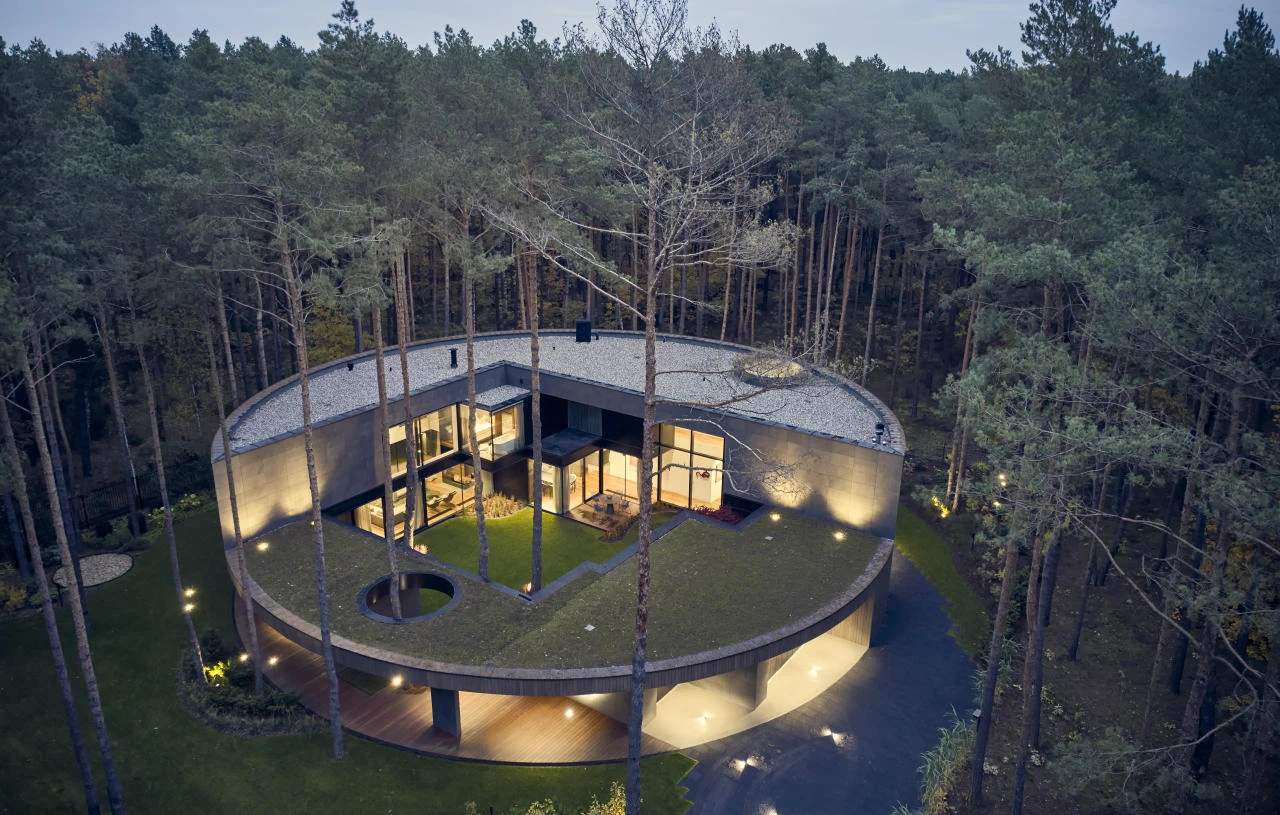
Circle Wood House, Izabelin, Poland. Systems used: MB-77HS, MB-SR50N
Modern architecture is evolving, and one of the most important directions in its development is sustainable construction, which not only helps reduce the impact of the construction sector on the environment, but also supports everyday comfort in use. Comfortable, healthy and in harmony with nature – these are the goals of contemporary construction, which eagerly embraces new, innovative solutions.
Sustainable technologies in construction have the potential to significantly improve the comfort of building users. This happens, among other things, through increased energy efficiency, effective thermal energy management tailored to residents’ lifestyles, improved indoor air quality, and reduced noise and other factors that negatively affect user comfort.
Cleaner air inside the building
Although air quality in Belgium is not among the worst in Europe, PM2.5 pollution standards recommended by the WHO are exceeded by an average of 1.9 times. Pollution concentrations are particularly high in the north of the country, in the Flemish region.
However, outdoor air pollution is not the only threat to health. Indoor air pollution is also a concern, resulting from particles released by construction materials used in the building itself, as well as finishing and decorative elements. Both the use of appropriate building materials and systems such as mechanical ventilation with heat recovery can help reduce these problems.
Glass façades for better air quality
Research shows that conventional building materials made from non-renewable resources are a major source of indoor air pollution, while the use of low-impact building materials can improve indoor air quality and reduce toxic emissions by as much as 20–50%.
The use of glazed façades ensures that no harmful substances are emitted into the atmosphere. Glass is one of the biologically cleanest materials. It is made entirely from natural ingredients (sand, soda ash and calcium), and its composition has remained unchanged for more than 5,000 years.
– The development of modern construction technologies also includes structural glass materials. An example is our latest brand Glassprof, focused on the production of fire-resistant glazing and the processing of architectural glass – explains Emmanuel Gregoire, Managing Director at Aluprof Belgium NV. – We are currently focused on the production of tempered laminated glass. It offers unique impact resistance and, thanks to the layers of fire-resistant gel placed between the panes, meets fire protection requirements, providing residents and building users with a safe, risk-free space.
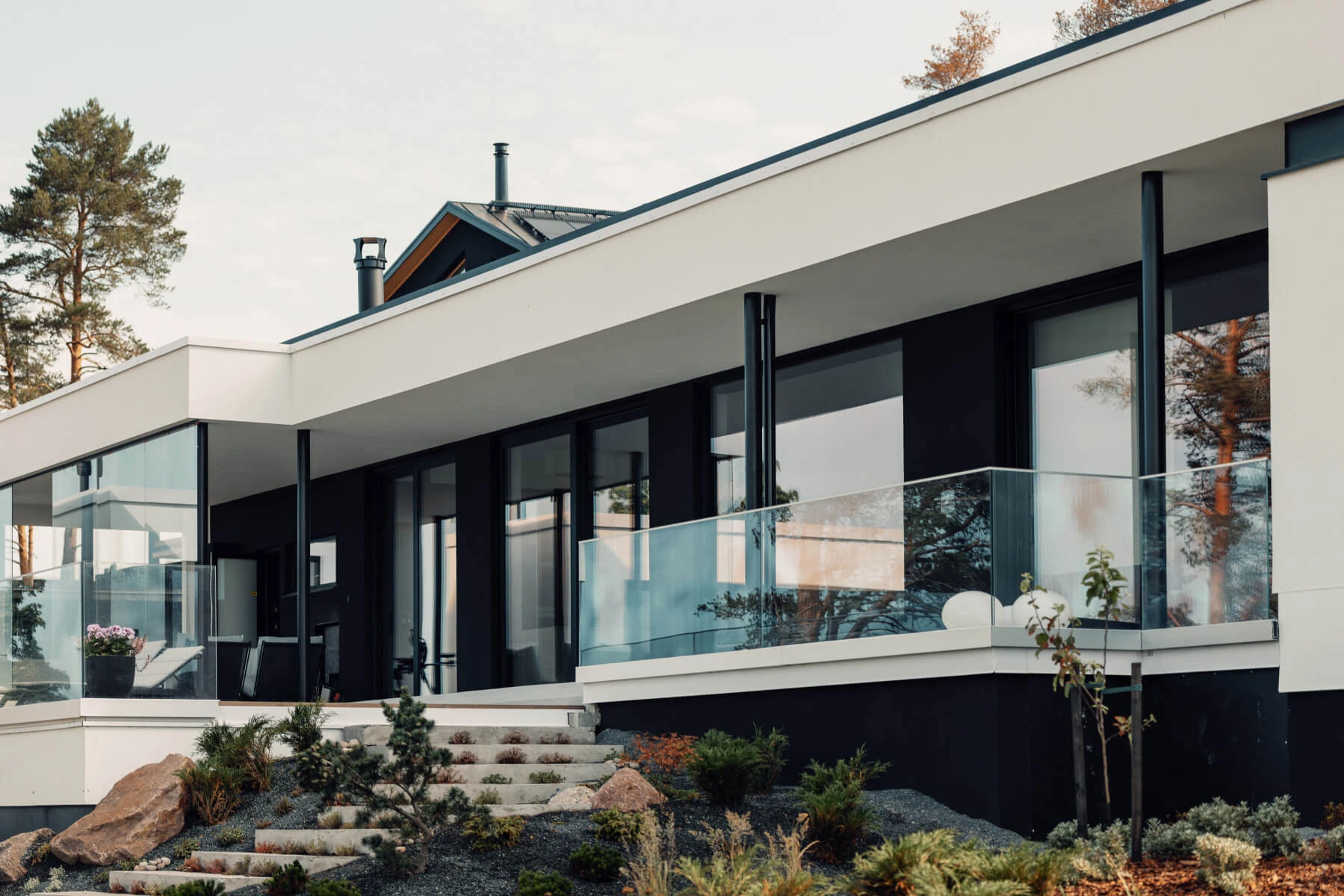
Villa Havet, Lovisa, Finland. Systems used: MB-77HS HI, MB-79N SI
Ventilation systems with heat recovery
Access to fresh, clean air combined with heat recovery is one of the most important green building technologies. It not only helps reduce energy consumption in a building, enabling heating savings of up to 30%, but also ensures comfort for residents. An additional function of this type of ventilation is the purification of air from pollutants.
Recent research conducted by the Passivhaus Trust has shown that mechanical ventilation with heat recovery can also be used in less airtight homes (for example, even in homes with relatively high draught levels of 9 m3/h/m2 @50Pa), as it can still have a lower carbon emissions rate than natural ventilation.
Daylighting and managing access to natural light
Europeans spend 80–90% of their lives inside buildings. Access to natural light is therefore crucial for physical and mental health. The health benefits of staying in spaces with constant access to daylight are scientifically proven. People working in glazed interiors sleep better, suffer less frequently from sleep disorders, and tend to be more physically active during the day.
Modern façades in aluminium systems now make it possible to create full panoramic glazing, ensuring access to natural light throughout the day, a stronger connection with nature, an open outlook, and a sense of unlimited space.
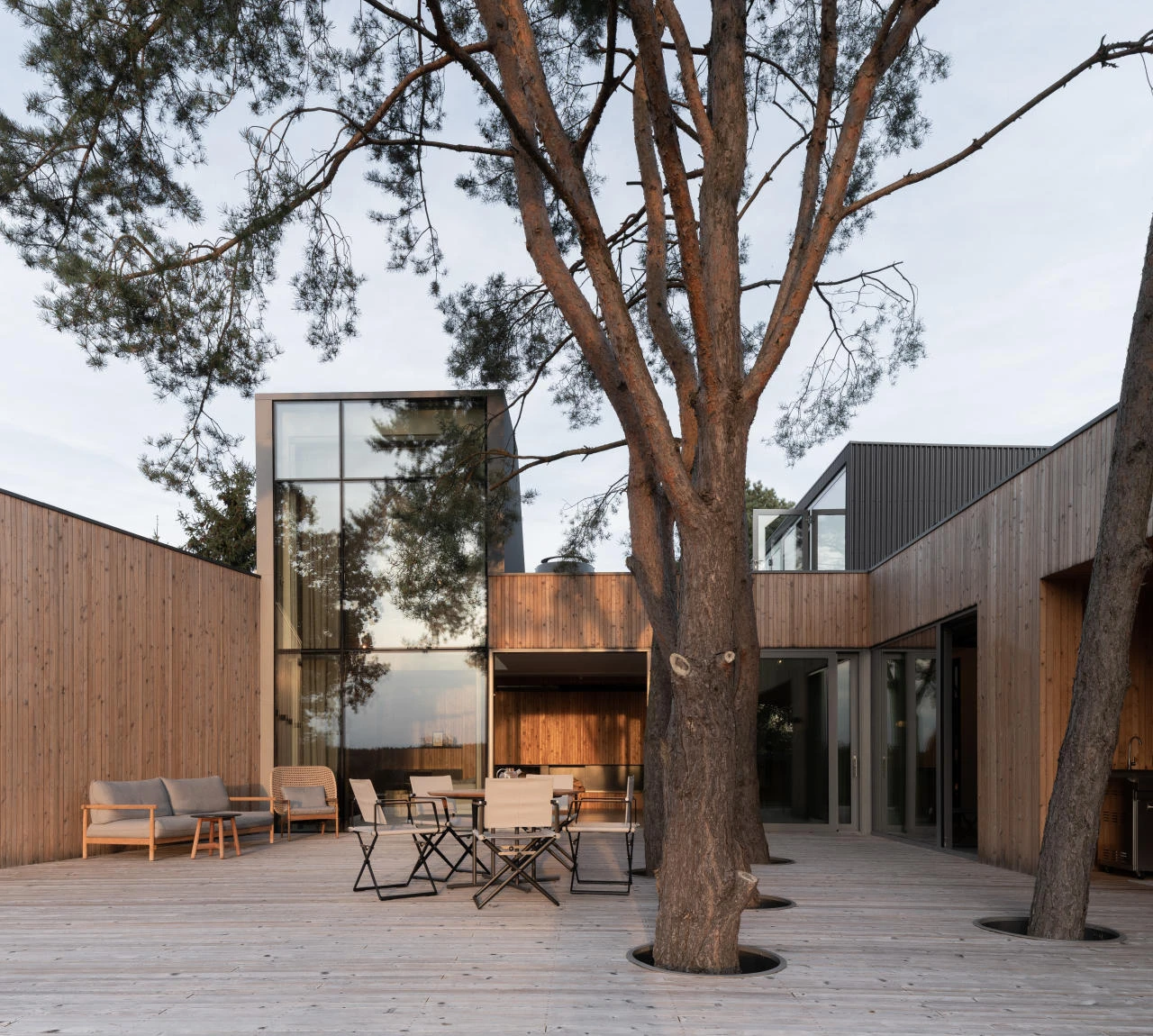
Terrace with a lakeside house. Konin, Poland. Systems used: MB-86-ST, MB-SR50N
At the same time, the use of such solutions is becoming an environmentally responsible choice, as they meet the requirements of sustainable development.
One such solution is undoubtedly the new aluminium curtain wall in the system MB-MT50N, designed on the basis of Cradle to Cradle certification guidelines, that is, the principles of the circular economy. The new system makes it possible to shorten façade construction time, while also being suitable even for complex structures. If we add the system’s performance parameters – watertightness in class RE 1950 Pa, wind load resistance of 3000 Pa, and very low thermal transmittance from 0.55 W/(m2K) – we get a technology that enables the construction of truly demanding buildings of the future.
Smart Home technologies
- adjusting room temperature to residents’ comfort,
- lighting automation that follows residents,
- smart locks in entrance doors and garage doors,
- security systems enabling remote monitoring and protection of the building,
- systems monitoring energy or water consumption in the building.
These are just a few examples of how smart technologies are used in residential buildings.
Although their main purpose is to improve user comfort, in practice they also help reduce a building’s carbon footprint, as they actively contribute to lowering energy consumption by both the building and its residents.
– All our façade blinds SkyFlow, screens SkyRoll and systems SkyTwin combining roller shutters and screens into one solution can be controlled using wall-mounted or portable transmitters, remote controls, or ultimately a central unit managing the entire home automation system. This makes it possible to create various usage scenarios tailored to users’ needs – explains Emmanuel Gregoire. We also use sun and wind sensors to maximise energy savings. The shutters will open automatically on a sunny winter day to capture as much solar energy as possible inside the building, but they will close on a hot day to prevent the room from overheating.
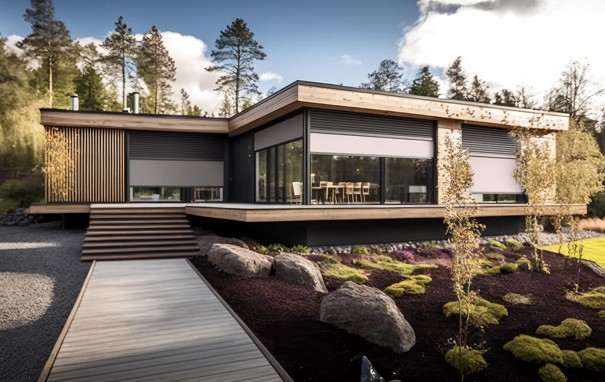
SkyTwin screen and external roller shutter
Let’s Build a Better Future
The use of the sustainable technologies described above makes it possible for buildings to become more energy-efficient, comfortable and user-friendly. This, in turn, improves residents’ quality of life and reduces the negative environmental impact of buildings. This is not only a short-term measure for current users, but an approach focused on the future. It is worth choosing sustainable technologies both for ourselves and for future generations.