
Innovative solutions in architecture – how to use aluminium to create sustainable spaces
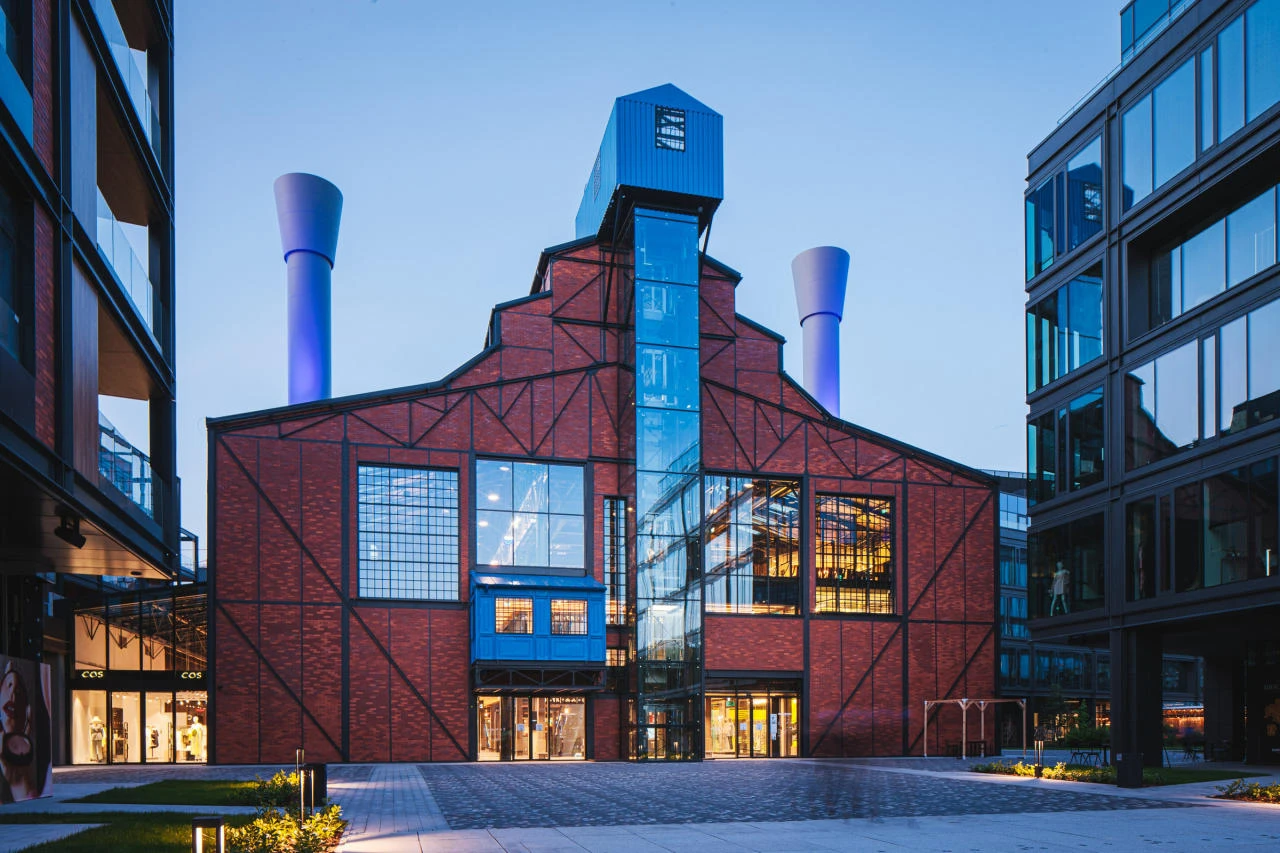
Elektrownia Powiśle, Warsaw, Poland. Systems used: MB-70, MB-SR50N EFEKT, MB-SR50N HI+
Aluminium façades in renovation and revitalisation
The revitalisation of spaces and buildings is one of the most important challenges facing architecture across Europe. Historic buildings, or simply beautiful old buildings, do not meet current energy consumption standards. They require thermal upgrading. At the same time, we are faced with the need to make use of every available space, including disused factories, former industrial halls and spaces left behind by abandoned shopping centres.
The revitalisation of such spaces can often be a more environmentally friendly solution than demolition and constructing a new building from scratch, especially when it makes it possible to preserve the existing structure and reduce the use of new materials. However, the final environmental balance depends on the characteristics of the specific building and its entire life cycle.
Thanks to its malleability, aluminium makes it possible to replicate the appearance of steel windows and structures used in past centuries. At the same time, modern façade solutions make it possible to improve the thermal performance of buildings.
Aluprof windows and doors have repeatedly been used in renovation projects. One interesting example was the transformation of the 18th-century British prison The Bodmin Jail into a luxury hotel.
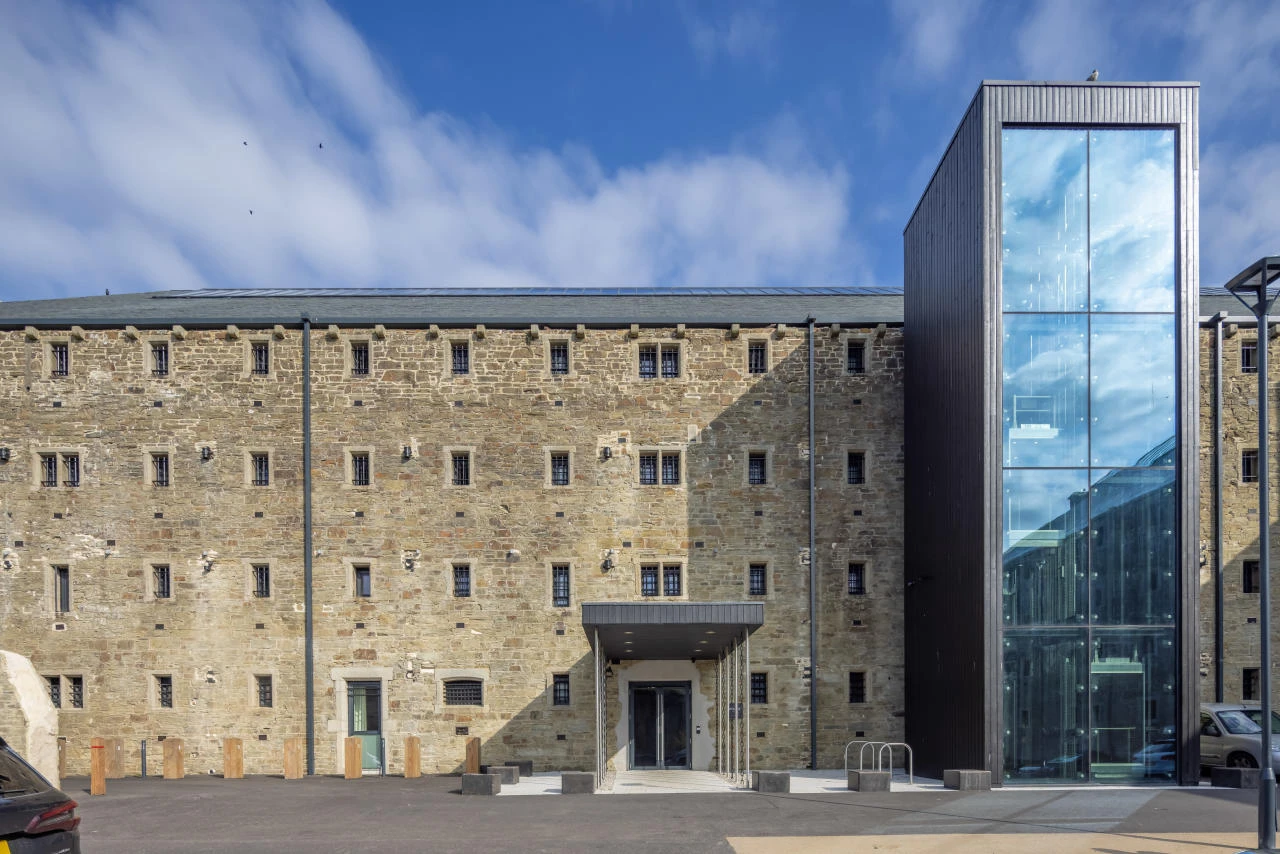
Bodmin Jail Hotel, Bodmin, United Kingdom. Systems used: MB-Slimline.
We have also been involved in major industrial revitalisation projects, such as Browary Wrocławskie and Elektrownia Powiśle in Poland, revitalisation projects in Ghent, Belgium, and the port of Hamburg, says Ralph van der Kooij, Sales Manager at Aluprof Nederland BV. Aluminium makes it possible to preserve the original style of a building despite what is sometimes a complete change in its function, while also effectively improving its energy performance.
Originality and creativity of aluminium structures
Thanks to aluminium’s high flexibility and formability, as well as increasingly advanced technologies, aluminium façades can be used to deliver even the boldest architectural designs.
Our new Aluprof project, a mullion-transom curtain wall MB-MT50N equipped with an additional gasket chamber in the mullion profiles and two types of transom profiles, allowing them to be arranged in two rows, makes it possible to deliver even the most complex project – emphasises Michiel van Duren, Managing Director at Aluprof Nederland BV. It is worth adding that this façade was developed in line with Cradle to Cradle principles, that is, the circular economy.
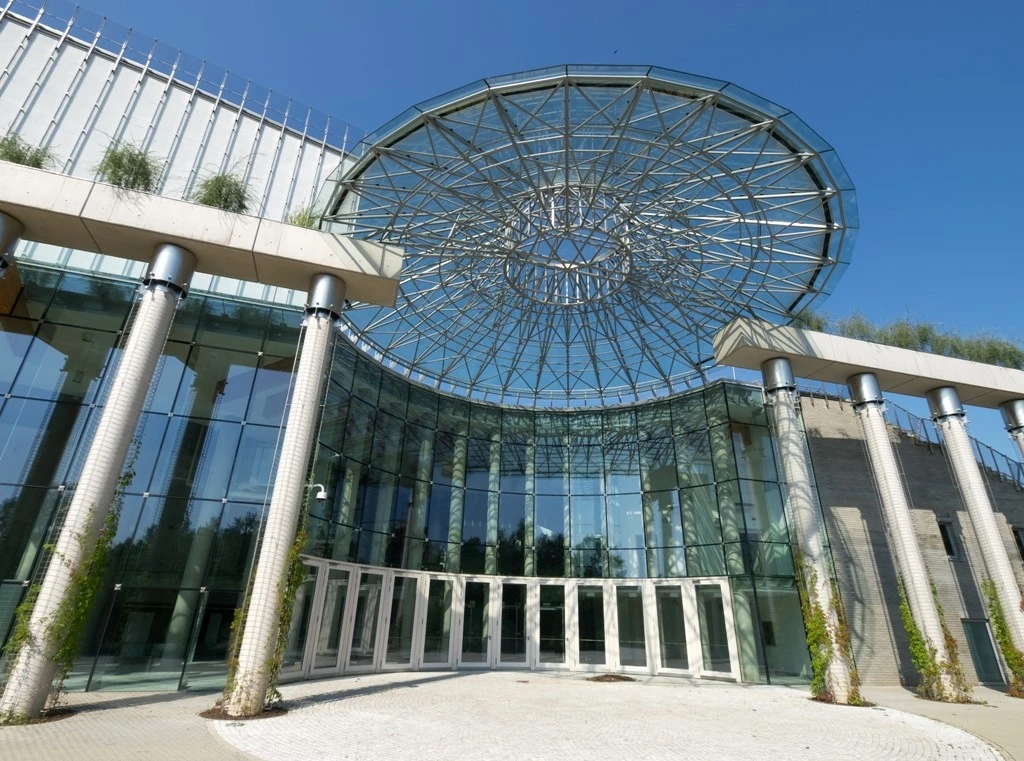
Opera i filharmonia Podlaska, Białystok, Poland. Systems used MB-SR50, MB-SR50N A
Thanks to its low density, aluminium helps reduce the weight of many structural and façade elements, while giving designers considerable freedom in shaping modern buildings. In high-rise construction, aluminium is widely used primarily in façades, windows and finishing elements, alongside materials such as steel and reinforced concrete.
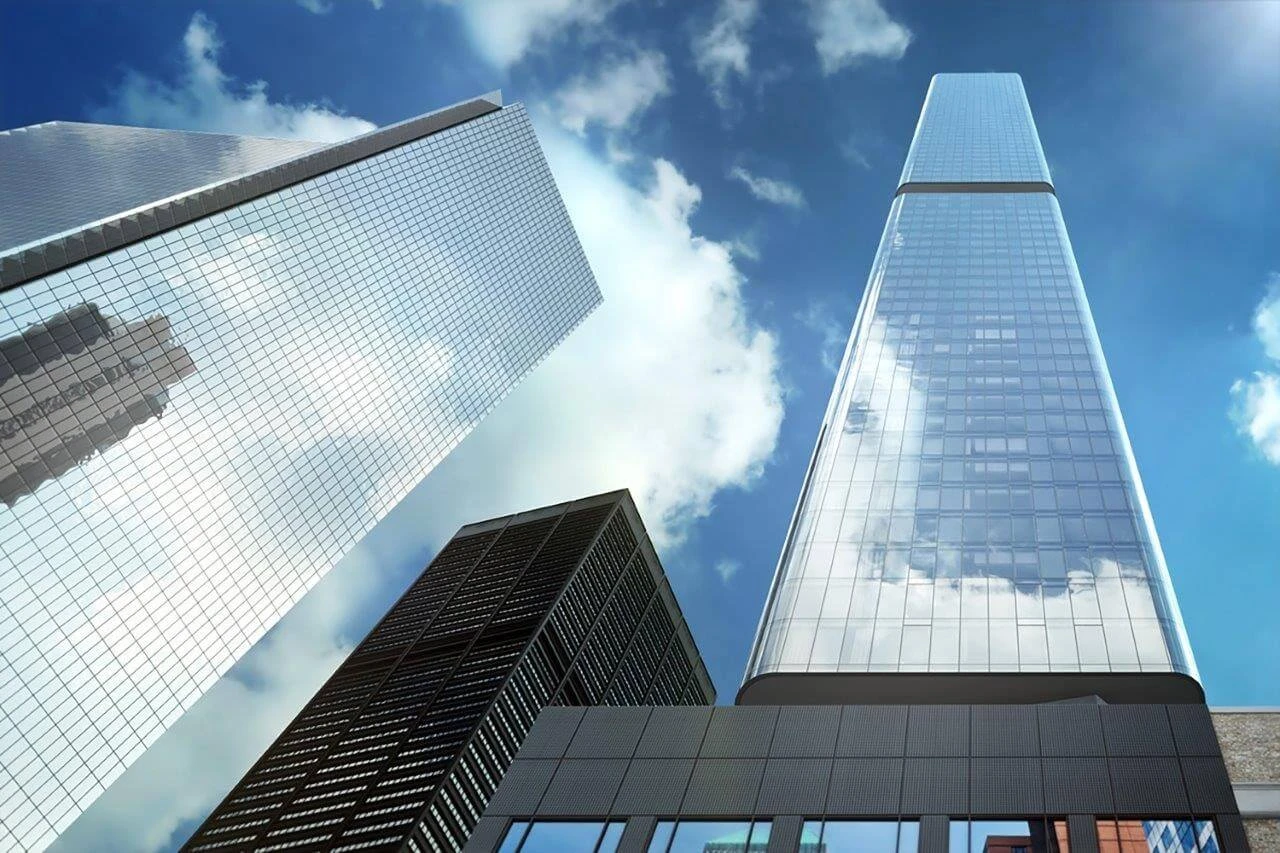
125 Greenwich Street, New York, USA. Systems used: MB-SE98 SG
Buildings with panoramic glazing
Aluminium is three times lighter than steel. This makes it suitable not only for the tall structures already mentioned, but also, thanks to its high structural rigidity, for the design of very large glazed areas. Large glazed surfaces improve access to daylight, which has a significant impact on the mental and physical wellbeing of building users. They also strengthen users’ connection with their surroundings, although their effect on energy efficiency depends, among other things, on glazing parameters, façade orientation, solar gains and the use of effective solar protection.
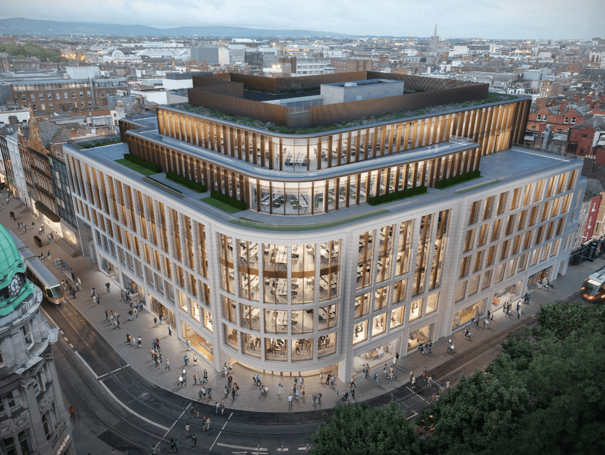
60 Dawson ST. Project Kells, Dublin, Ireland. Systems used: MB-SR50N, MB-SR50N Efekt
Windows, doors and façades with excellent thermal performance
When talking about sustainable construction, we must not forget that one of its goals is to reduce a building’s energy consumption, which actively contributes to lowering its carbon footprint. Increasing importance is also being attached to assessing a building’s impact across its entire life cycle – covering both emissions related to its use and embodied emissions resulting from the production, transport, replacement and end-of-life management of materials.
For years, aluminium was not regarded as a thermally efficient material, but the technological solutions we are introducing, prove that it is a material capable of delivering excellent performance. The MB-MT50N SI façade mentioned earlier is an example of a marriage of aesthetics, functionality and ecology, resulting from the use of recyclable aluminium and such high thermal insulation of the system that it enabled us to obtain certification from the Passive House Institute – explains Michiel van Duren.
Buildings in which Aluprof façades have been used, have received many BREEAM, DGNB and LEED certifications – adds the expert.
In the environmental assessment of materials, increasing importance is also attached to information such as environmental product declarations (EPDs), life cycle assessment (LCA), the share of recycled content and the potential for reuse and recycling at the end of service life. In the case of aluminium, its high recyclability can support the implementation of circular economy principles.
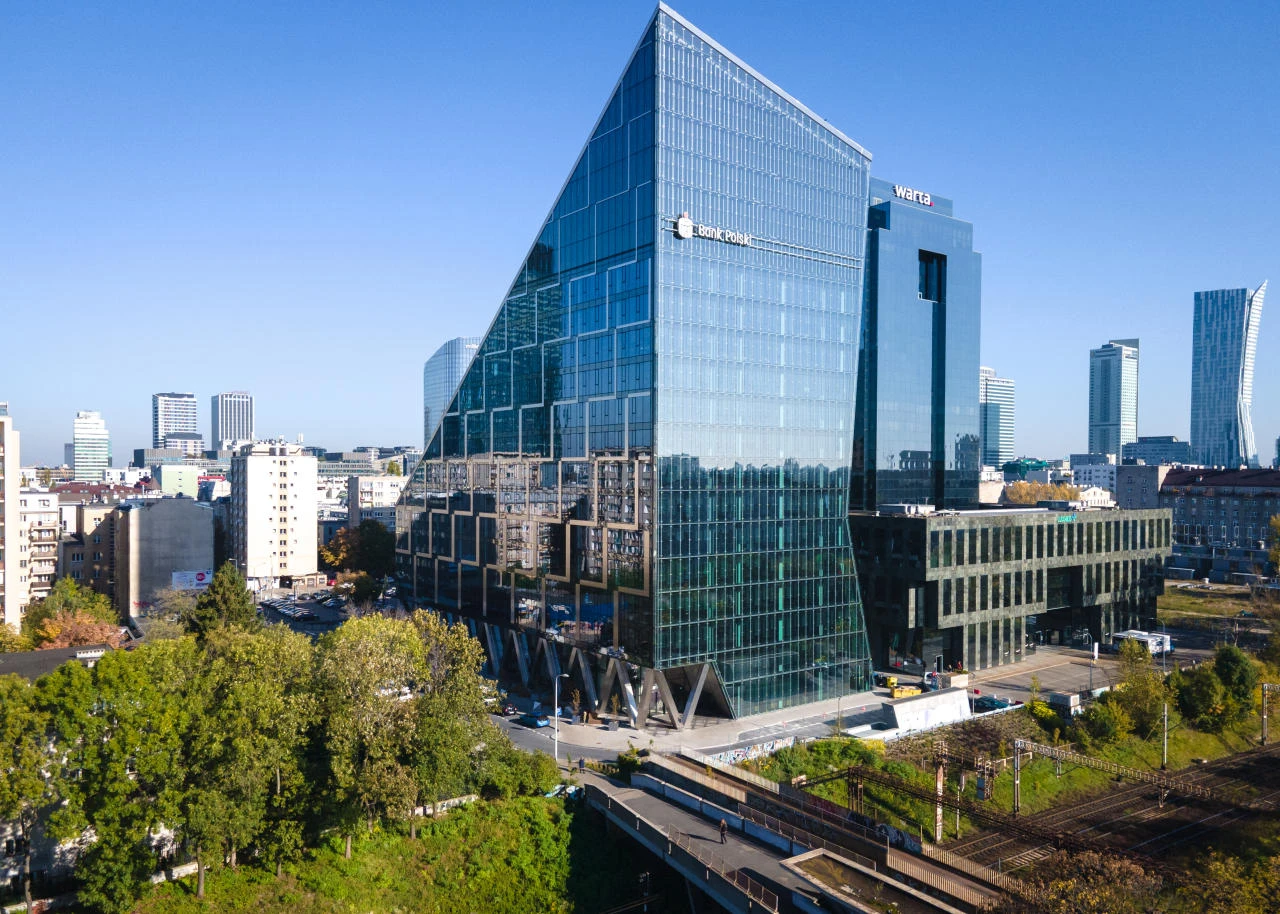
Chmielna 89, Warsaw, Poland. Systems used: MB-78EI, MB-86 SI, MB-DPA, MB-SR50N EFEKT, MB-SR50N OW. Certyfikat BREEAM
A building material for all conditions
Another major advantage of aluminium is its durability and long service life. The natural oxide layer that protects aluminium against corrosion means that it is a material with the potential to be used for long periods, including in demanding conditions – for example, in buildings exposed to constant moisture, severe weather changes or coastal environments with higher air salinity, provided that the alloy, surface protection and structural solutions are selected appropriately.
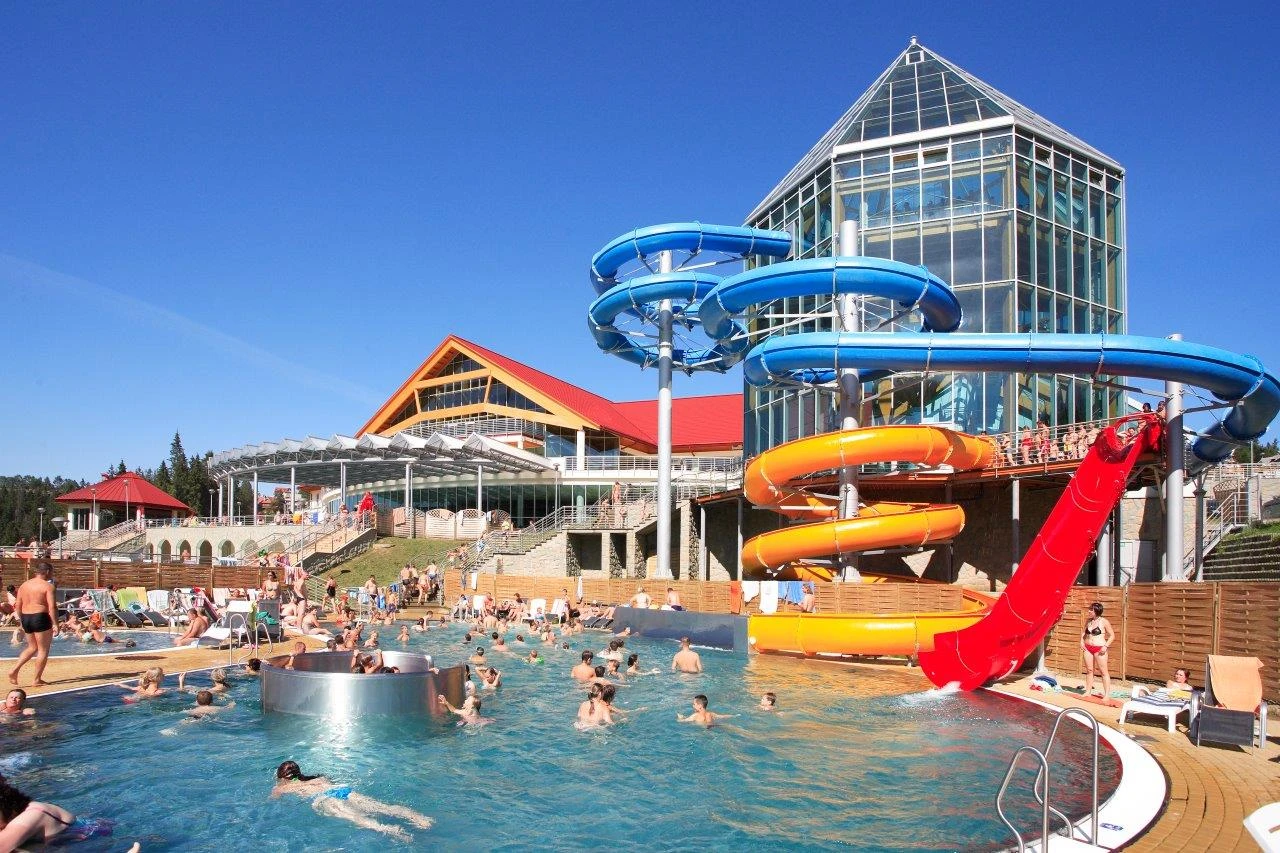
Bukowina Tatrzańska Thermal Pools, Poland. Systems used: MB-SR50 HI
Let’s Build a Better Future
Aluminium is a highly versatile material which, thanks to its properties, supports the principles of the circular economy and can be used in a wide range of sustainable construction projects. What matters here is not only the material’s recyclability, but also its origin, the share of secondary aluminium, durability, the energy performance of the solution used and the impact of the entire building across its life cycle. From the renovation and revitalisation of historic buildings to modern, bold and innovative structures and solutions, properly designed systems can in every case deliver benefits not only to the investor and the building’s users, but also to the environment.