
Green building and wellbeing – how does sustainable construction affect our wellbeing?
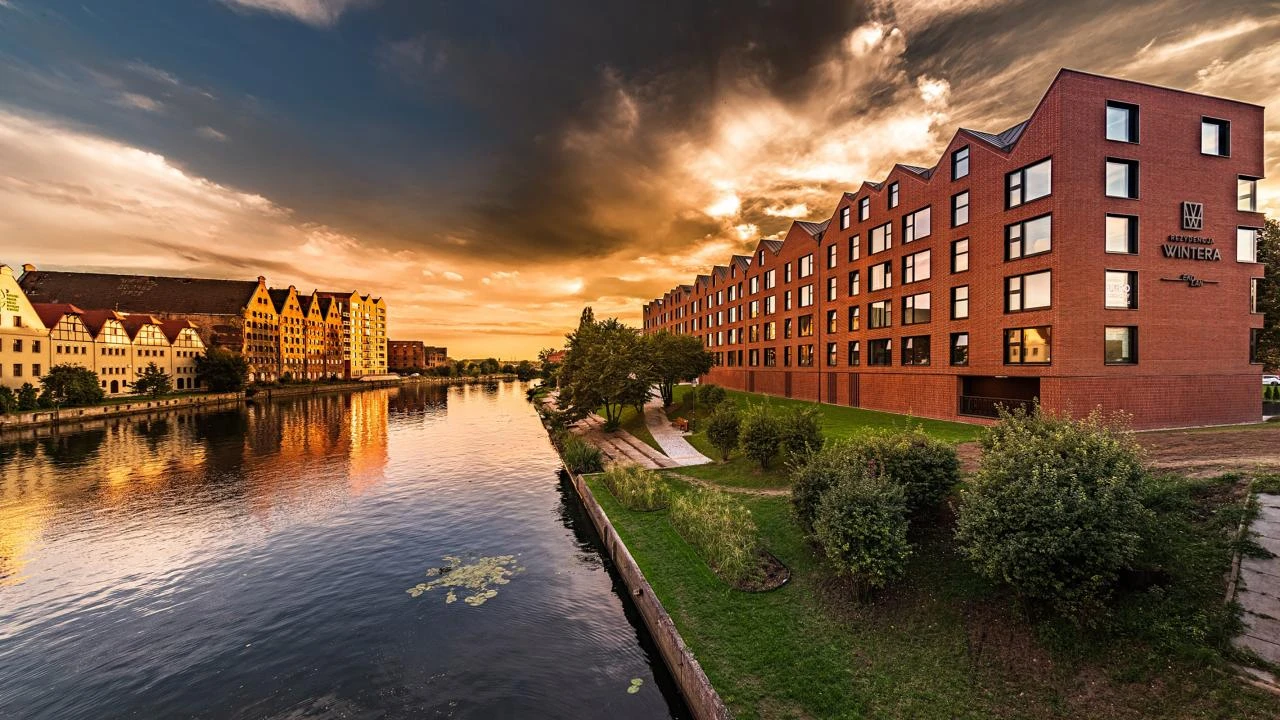
Winter Residence, Gdańsk, Poland. Systems used: MB-70CW, MB-45, MB-78EI, MB-86
Sustainable construction is not only a nod to ecology, but above all the creation of spaces that are friendly to people and help them maintain physical, mental and social health. How does architecture support these goals? Let us take a look at research findings and examples of green building solutions that support human wellbeing.
The impact of architecture on wellbeing
The idea that architecture affects health and wellbeing is not new. The first statistics showing that the environment in which we live influences life expectancy appeared as early as the 18th century, when it was discovered that the average lifespan of city dwellers was shorter than that of people living in rural areas.
In the 1950s, attention began to focus on how residential construction affects mental wellbeing. The mass housing developments of that period were found to intensify problems such as loneliness, boredom and stress. Today, we know much more about the impact of architecture on mental and physical wellbeing, so let us look at several facts that show how applying the principles of sustainable development in architecture can significantly improve the quality of life of residents and users.
Physical health supported by green architecture
Between 2012 and 2022, a number of studies were conducted confirming the positive impact of sustainable construction on physical health. In the paper *“Green Buildings Impacts on Occupants' Health and Productivity”*, the authors demonstrated that moving from traditional construction to sustainable building has positive health effects and, in the broader perspective, translates into lower healthcare costs, fewer sick days and improved productivity, which in turn directly delivers economic benefits.
Research conducted by the World Green Building Council, in turn, shows that the use of sustainable and environmentally friendly building materials, such as aluminium, can help improve indoor air quality and, consequently, reduce the risk of respiratory diseases among building users.
Particularly important and groundbreaking in this field were the studies of Roger Ulrich, professor of architecture at the Center for Healthcare Building Research at Chalmers University of Technology in Sweden. He showed that hospitalised patients who were able to look out of the window at trees during treatment recovered faster and experienced fewer postoperative complications than patients whose window view was a brick wall.
It should also not be forgotten that architecture can encourage physical activity. Designing spaces in a way that, for example through internal courtyards, passageways and walkways, stimulates and encourages people to step outside and spend even a little time in the fresh air and natural light is beneficial to health.
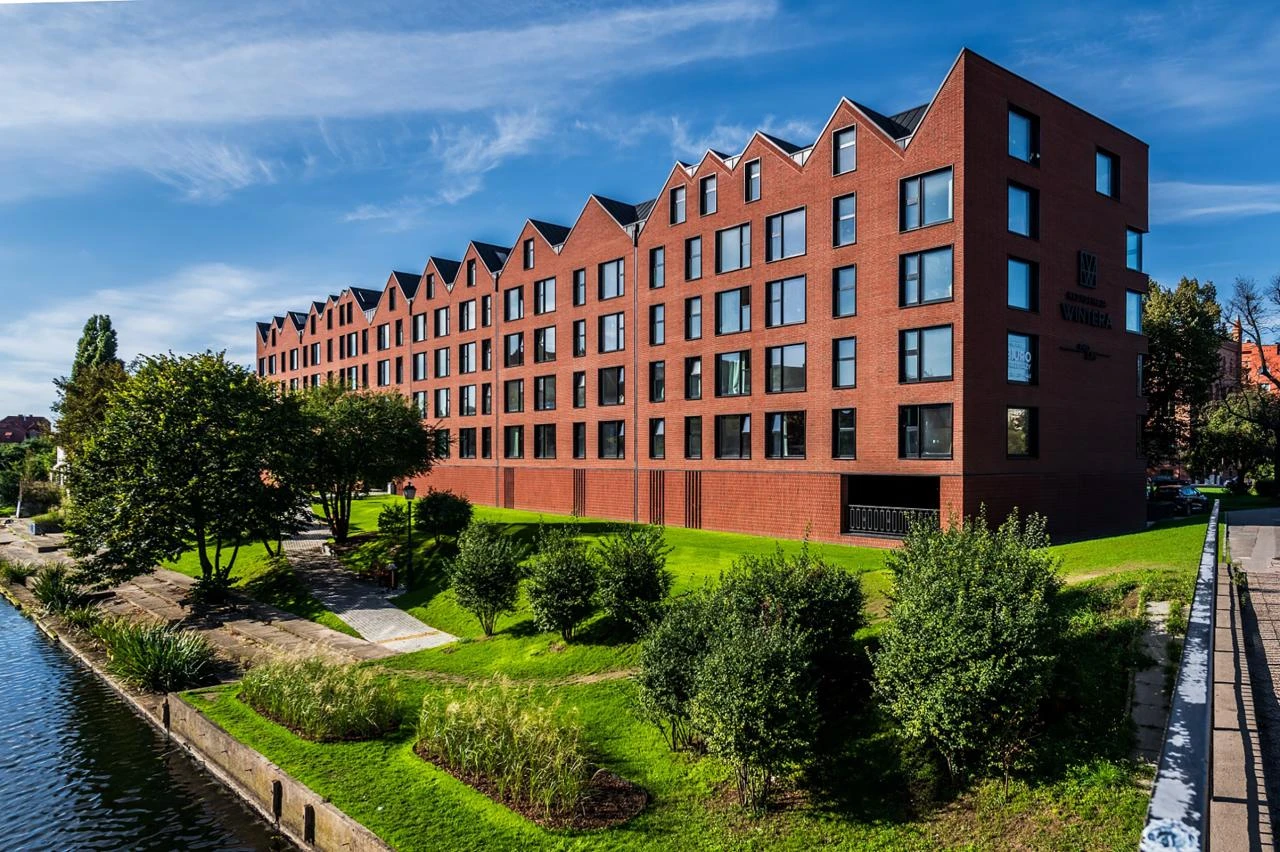
Winter Residence, Gdańsk, Poland. Systems used: MB-70CW, MB-45, MB-78EI, MB-86
– It was precisely this idea of encouraging outdoor activity and supporting social bonds that guided us in designing the MB-OPENSKY 120 pergola. We created the system from extruded aluminium, with a movable roof, a drainage system concealed in the posts and a drive mechanism hidden within the structure. It can be fitted with SkyRoll side screens or equipped with lighting. The result? We gain a space that encourages people to spend time together outdoors regardless of the weather. Whether in a private or office setting – explains Ralph van der Kooij, Sales Manager at Aluprof Nederland BV.

MB-OPENSKY 120 Aluprof
Architecture and mood
Most people spend the greater part of their lives inside buildings – in homes, schools, offices and shopping centres. The surrounding environment affects their mood in many ways: by providing sensory stimuli such as sounds, smells and colours, by regulating the amount of light and by offering aesthetic experiences.
One of the most important building elements affecting mood is windows. Proper daylighting improves wellbeing. According to the study “Biophilic Design in the Workplace” conducted by Terrapin Bright Green, natural light can help reduce stress levels by 15%. The beneficial impact of daylight on health is also confirmed by research published in the journal “Sleep Health”, which showed that employees working in rooms with natural light were physically active for 46 minutes longer per day than employees working under artificial light. And greater physical activity during the day means a healthier body and mind.
– The aluminium mullion-and-transom façades MB-SR50N HI+ manufactured by Aluprof are an example of how to ensure good daylight access. This system makes it possible to build glazed walls with narrow sightlines while maintaining the durability and strength of the structure. By using it, designers can realise even the boldest ideas in aluminium-and-glass construction while also ensuring good thermal insulation, essential in buildings designed in line with the principles of sustainable development – explains Ralph van der Kooij.
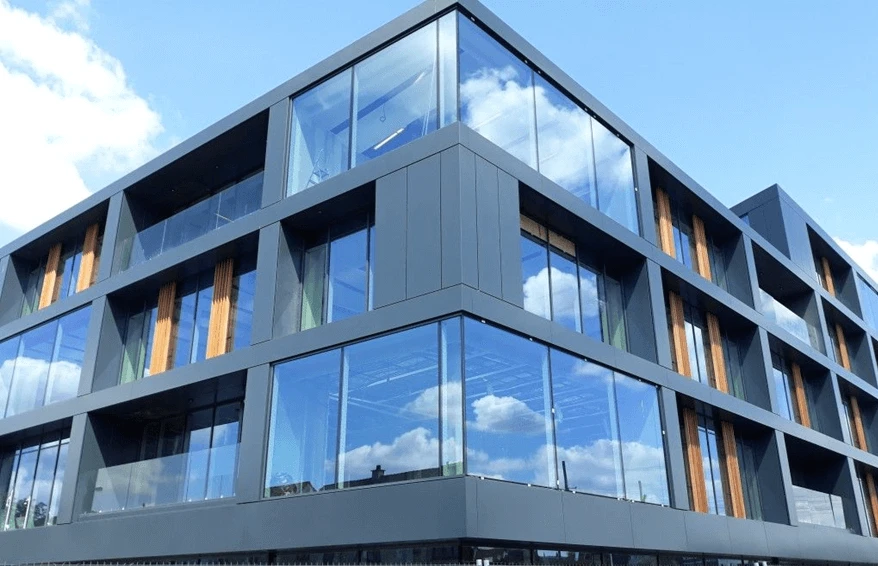
The Link, Antwerp, Belgium. Systems used: MB-70HI, MB-77HS, MB-SR50N EFEKT, MB-SR50N HI+
Strengthening social relationships
Paradoxically, the denser the population, the fewer the bonds between people living side by side. At the same time, the report “The Impact of the Built Environment on Wellbeing” published by the Royal Institute of British Architects (RIBA) emphasises that creating social spaces fosters social ties and integration, which has a positive effect on the mental health of communities.
Sustainable architecture is not only about designing with high-quality, eco-friendly materials or ensuring sufficient daylight, but also about managing all available space in such a way as to support relationship-building and contact between its users.
- One such space that brings together different activities is the Hourglass building in Amsterdam’s Zuidas district, where aluminium windows in Aluprof systems were used. It is a mixed-use project combining office and hotel functions with additional food and beverage space. The shared areas were designed to encourage social interaction and community building – says Michiel van Duren, Managing Director at Aluprof Nederland BV.
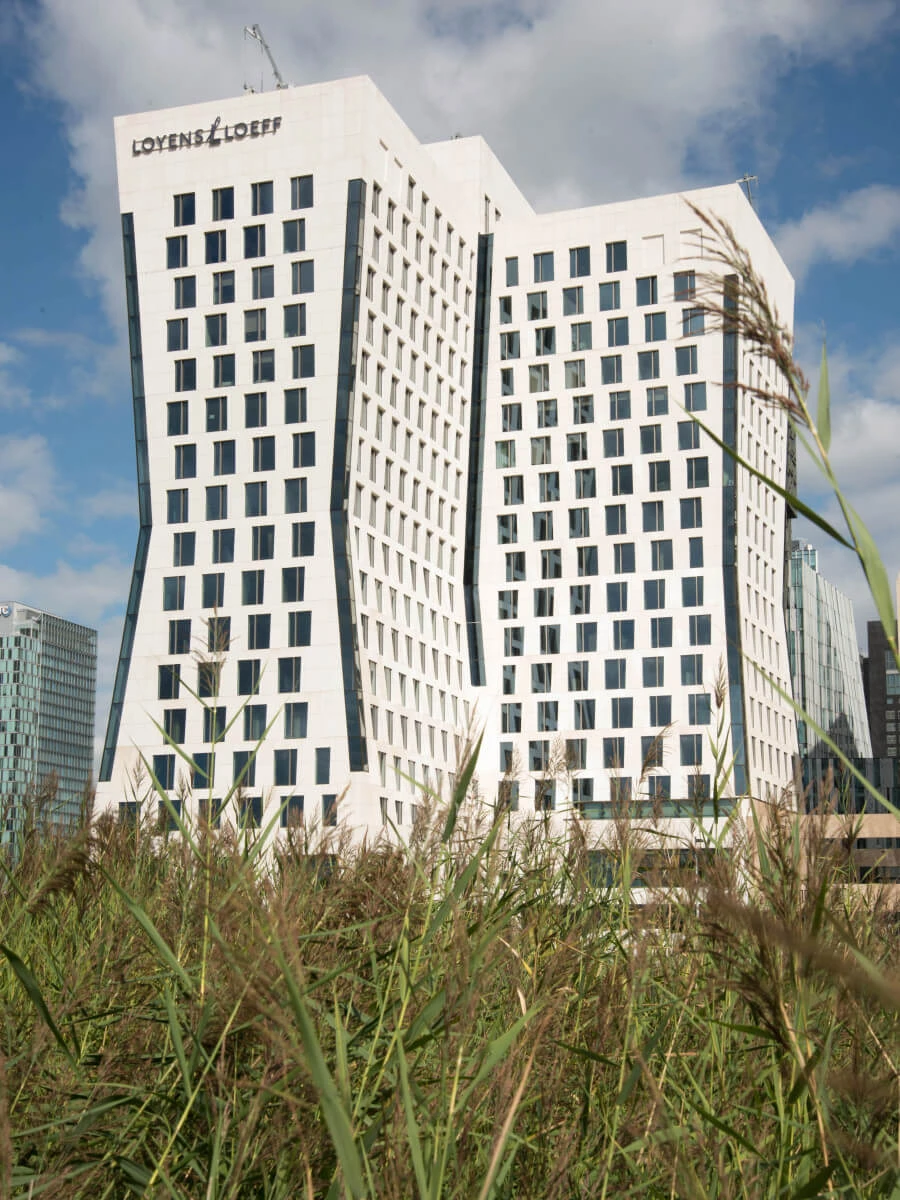
Hourglass, Amsterdam, the Netherlands. Systems used: MB-86 SI, MB-SR50N, MBSR60N
Let’s Build a Better and Zero Waste Future
Although we are often unaware of it, architecture has an enormous impact on human wellbeing. In a world where 56% of the population already lives in cities and this figure will rise to 70% by 2050, the functionality of buildings, their spatial layout, the safety they provide and the microclimate they create affect the lives of the majority of people. This impact cannot be underestimated. That is why sustainable construction is a priority for all of us.