
ESG in Commercial Buildings – How the Choice of Windows and Doors Affects the Environment
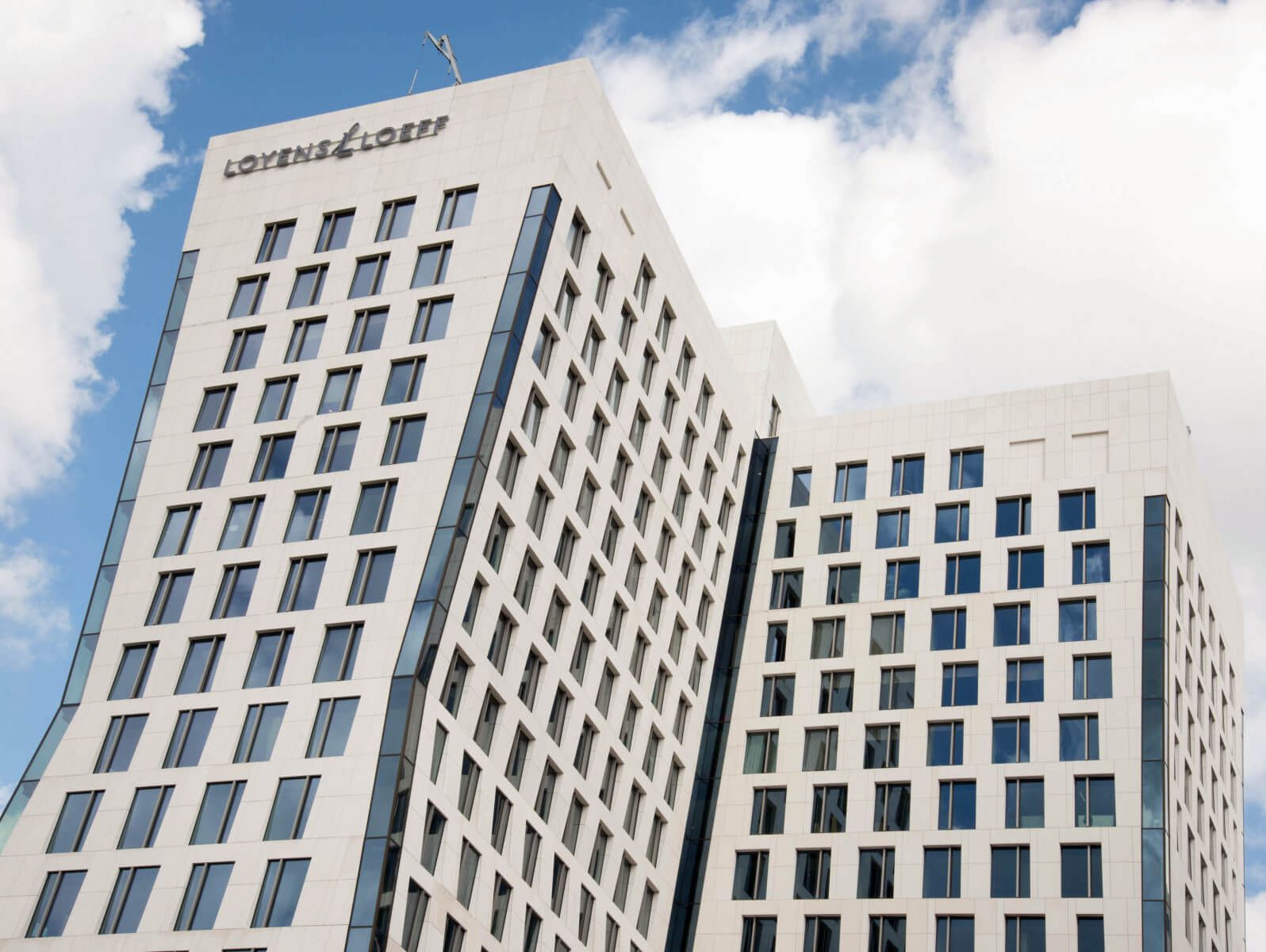
Hourglass, Amsterdam, Netherlands. Systems used: MB-86SI, MB-SR50N, MB-SR60N
The construction industry is responsible for 40% of greenhouse gas emissions, with buildings in the EU consuming energy at similar levels. For this reason alone, investors are increasingly focusing on the environmental impact of their projects. ESG—representing environmental, social, and governance responsibility in business—has become a permanent standard in the construction industry. Using high-quality windows and doors in projects helps achieve these goals.
Primarily the Environment
One of the principles of ESG is concern for the natural environment. This concern shouldn’t be limited to using materials that optimize energy efficiency but should also include implementing eco-friendly practices during production. Aluminum window, door, and facade systems by Aluprof are a prime example of combining construction solutions with environmental care. As a leading aluminum systems manufacturer in Europe, Aluprof extensively uses recycled aluminum in production. It incorporates not only its own waste but also scrap sourced from external markets. The process involves stringent quality requirements for purchased scrap, ensuring that contaminated aluminum and harmful compounds, which pose environmental threats, are not introduced during smelting.
– In 2022, the total content of both post- and pre-consumer scrap in Aluprof products reached 65% – highlights Michiel van Duren, Managing Director at Aluprof Nederland BV. – Recycling aluminum scrap saves about 95% of the energy required to produce primary aluminum from bauxite. Additionally, recycling aluminum avoids air pollution by 95% and water pollution by 97%, he adds.
Energy-Optimized Construction
An essential aspect of meeting ESG goals in the construction industry is optimizing the energy efficiency of projects. Considering modern architectural trends, which prominently feature impressive glass facades and large windows and doors, achieving these energy goals can be quite challenging. For example, during winter, heat loss through windows can be as high as 45%. Therefore, using windows and doors with high insulation parameters is crucial.
A solution with a low heat transfer coefficient is the MB-79N aluminum window and door system.
– MB-79N is the most advanced system for aluminum windows and doors, introduced to meet heightened thermal insulation requirements. In addition to the basic version MB-79N E (with a single-component central gasket) and the MB-79N ST version (with a dual-component gasket), the product also offers the MB-79N SI variant with the highest thermal insulation, featuring profiles equipped with insulating inserts and a dual-component central gasket, explains Michiel van Duren.
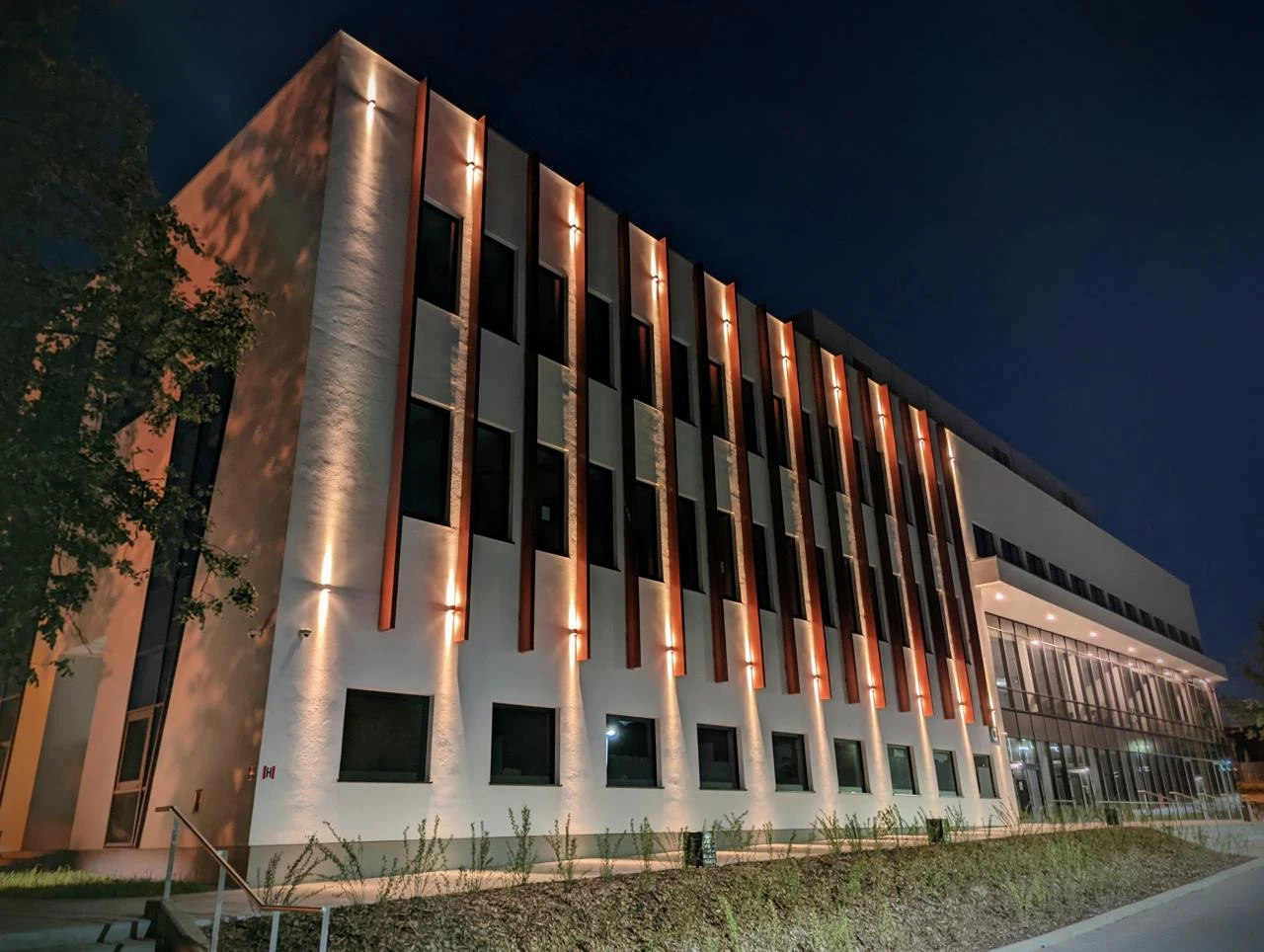
Faculty of Law and Social Sciences, Jan Kochanowski University, Kielce, Poland. Systems used: MB-45, MB-78EI, MB-SR50N, MB-79N.
High thermal insulation is a hallmark of Aluprof products. With resources like its own Research and Innovation Center, the manufacturer continually optimizes its solutions. This effort is evidenced by numerous certifications confirming the high performance of its products, such as the certification from the Passive House Institute (PHI) in Darmstadt, which verifies the superior thermal insulation of aluminum windows and doors, like those in the MB-104 Passive system.
– This system, with its high thermal insulation index, is designed for passive buildings, where minimizing energy loss through window and door openings and optimizing the use of solar energy within the building are key issues, explains Michiel van Duren.
Aluminum windows and doors in the MB-104 Passive system stand out for their excellent water and air tightness, along with high structural durability. This solution was used in The Forge in London, where energy efficiency and the reduction of CO2 emissions were of critical importance.
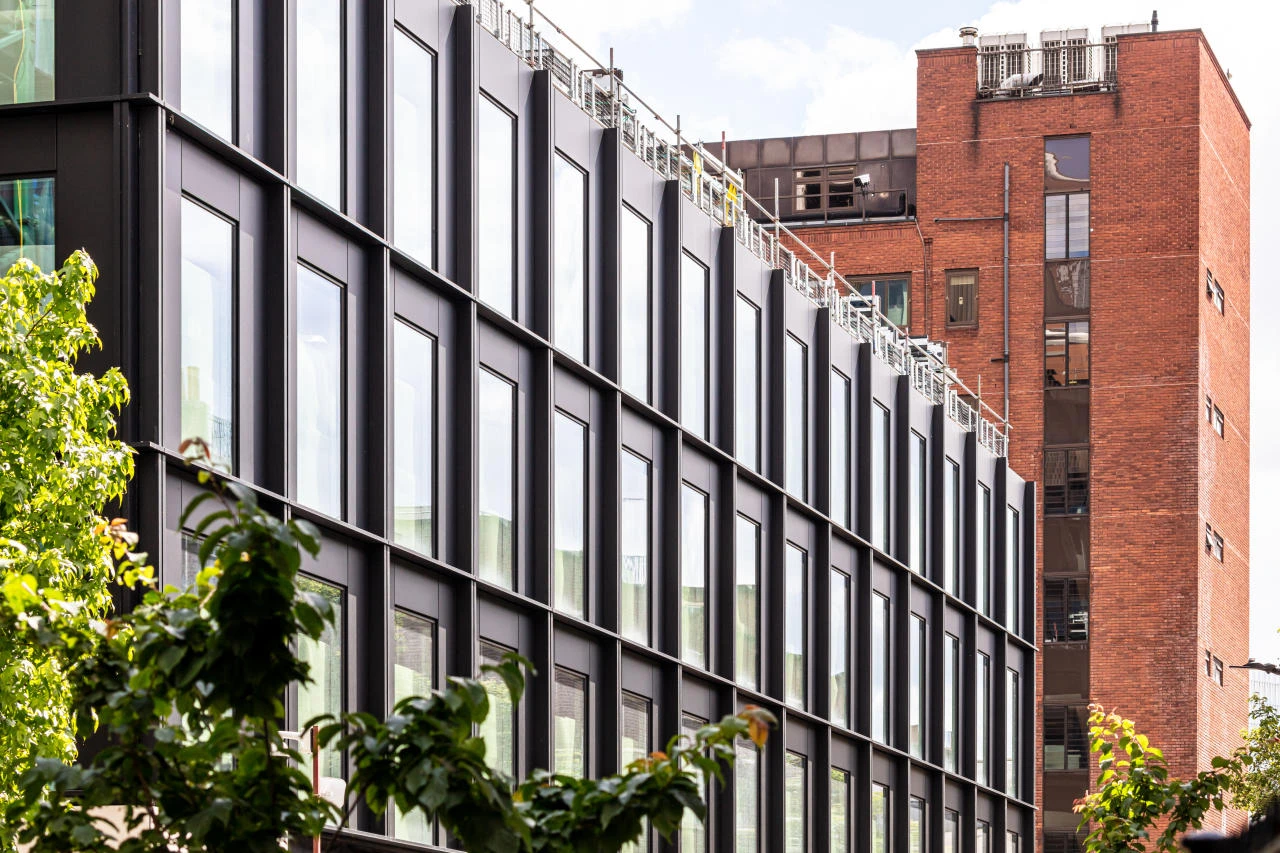
The Forge (Sumner St), United Kingdom, London. Systems used: MB-104 Passive.
Meeting High Standards
ESG requirements encompass not only high insulation performance but also the functionality of solutions. Aluminum systems for windows and doors offer extensive possibilities in these areas.
– The flexibility of aluminum profiles translates into significant construction capabilities, allowing for the design of various types of windows and glass facades that can be optimally placed to provide the best lighting and heating for spaces, explains Michiel van Duren.
The aforementioned MB-79N system enables the creation of fixed, casement, tilt, tilt-and-turn, tilt-and-slide windows, as well as single and double exterior doors and showcase solutions with doors, fully addressing the diverse needs of commercial construction.
Another product designed for commercial investments is the MB-100GFT aluminum door system. These doors are distinguished by high thermal insulation and a strong, durable construction that withstands long-term and intensive use while also offering aesthetics, convenience, and safety in use.
– Depending on the needs of the investment, the doors can open in one direction or have a swing function. In the MB-100GFT system, it's possible to construct single-leaf, double-leaf doors, showcases, and spatial structures, emphasizes Michiel van Duren.
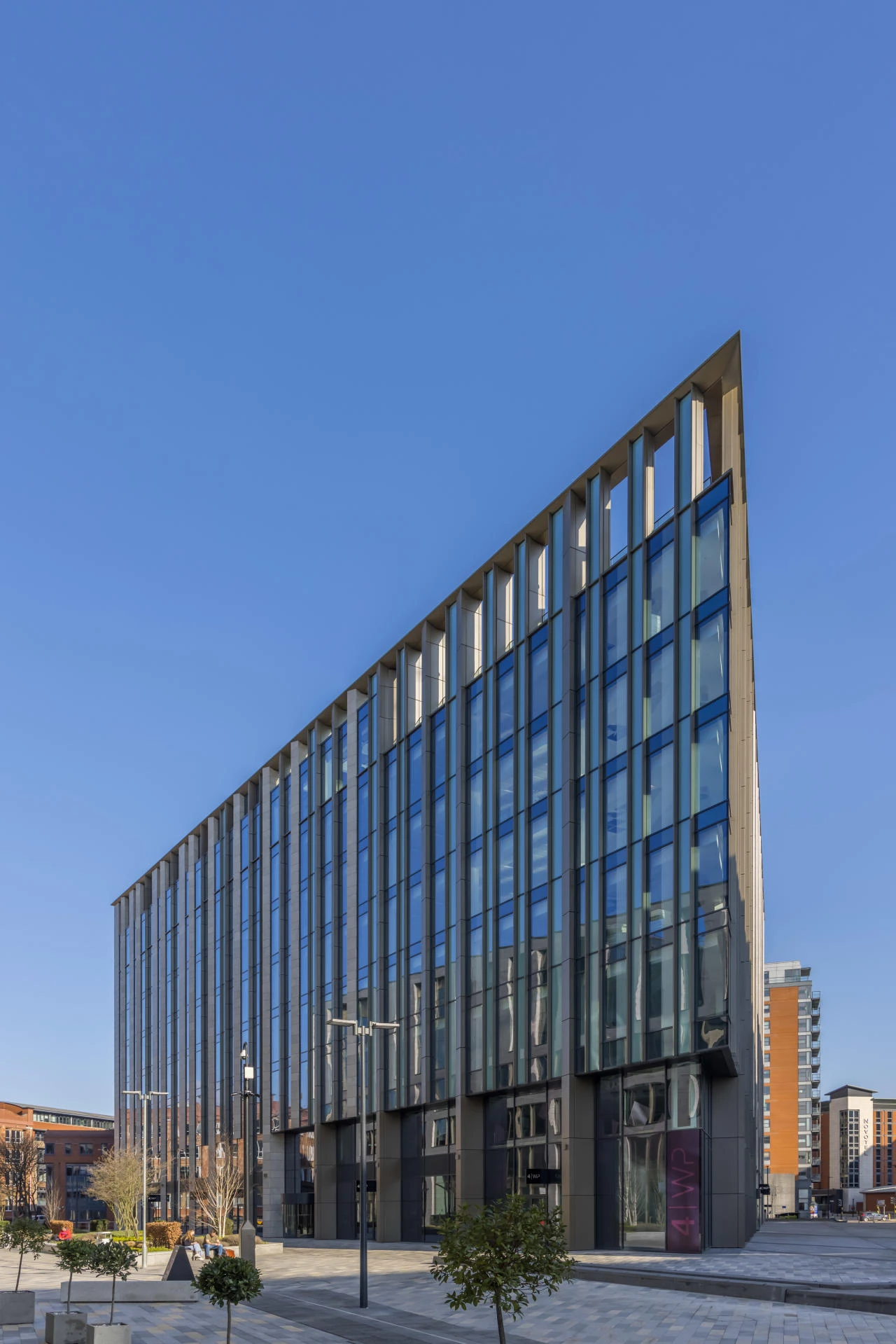
4 Wellington Place, Leeds, United Kingdom. Systems used: MB-77HS, MB-86 Foldline, MB-SR60N.
Investors seeking impressive and energy-efficient exits to hotel or restaurant terraces should consider aluminum folding doors in the MB-86 FOLD LINE HD system. These doors can open inwards or outwards and offer flexible configurations with up to 8 panels. Their high functionality is showcased by their use in the UK’s 4 Wellington Place.
Let’s build a better future!
Choosing the right solutions for windows and doors can help achieve ESG goals in construction. Aluminum windows and doors play a significant role, as they feature excellent thermal conductivity properties thanks to the use of appropriate insulating materials. They significantly reduce heat loss, enhancing the energy standard of the entire building and notably lowering heating costs. Combined with the use of metal scrap in the production process, these solutions offer a comprehensive approach to aligning with the natural environment.