
Energy-Efficient Architecture Through AI – New Ways to Design Sustainable Buildings
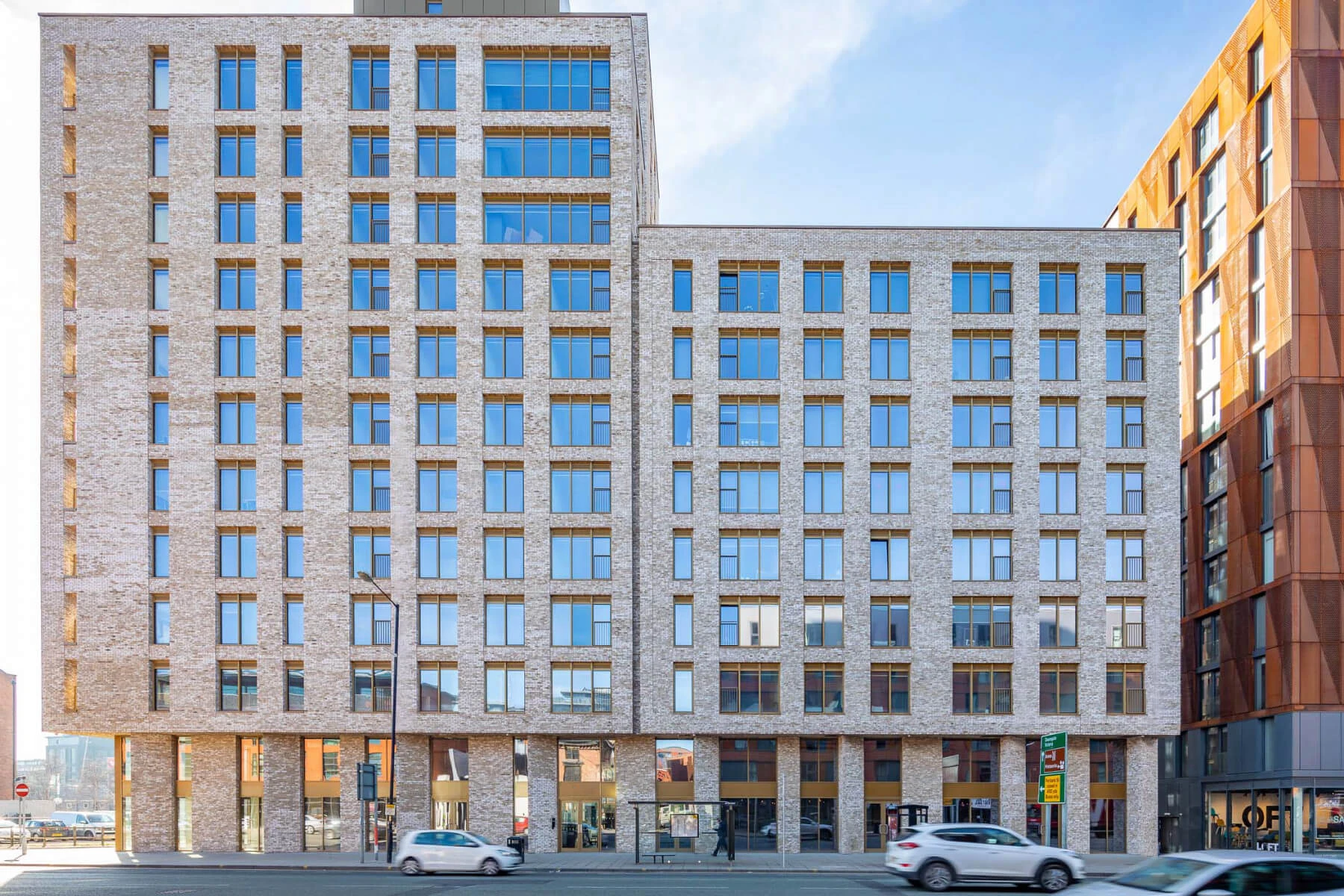
Mulbury Homes - The Astley, Manchester, Wielka Brytania. Systems used: MB-70SG
Sustainable architecture is the primary and most important trend in construction today. As technology evolves, digital and construction innovations are being introduced that allow for the creation of more energy-efficient and environmentally friendly buildings. One of the most fascinating solutions is the use of artificial intelligence (AI) in the architectural design process. What benefits does this combination of advanced technology with sustainable architecture offer?
How AI Supports Green Architecture
Artificial intelligence can be utilized at various stages of designing energy-efficient structures. The most common scenarios of its use cover several aspects of design:
Predicting Energy Needs and Consumption Patterns
AI uses both historical and predictive data, which allows it to foresee which mechanisms or solutions should be implemented to ensure a building is energy-efficient not only in the present but also for years to come, considering climate change or changes in its use.
– This is one of the most important functions of AI in the context of energy-efficient architecture, emphasizes Rafael Altheim from Aluprof.
In designing our construction solutions, we also anticipate future needs. The energy-efficient parameters of one of our aluminum window and door systems, MB-104 Passive, exceeded the standards at the time it was introduced to the market. This means that investors using this system can be confident that even over time, with climate changes or regulatory shifts, their buildings will remain energy-efficient.
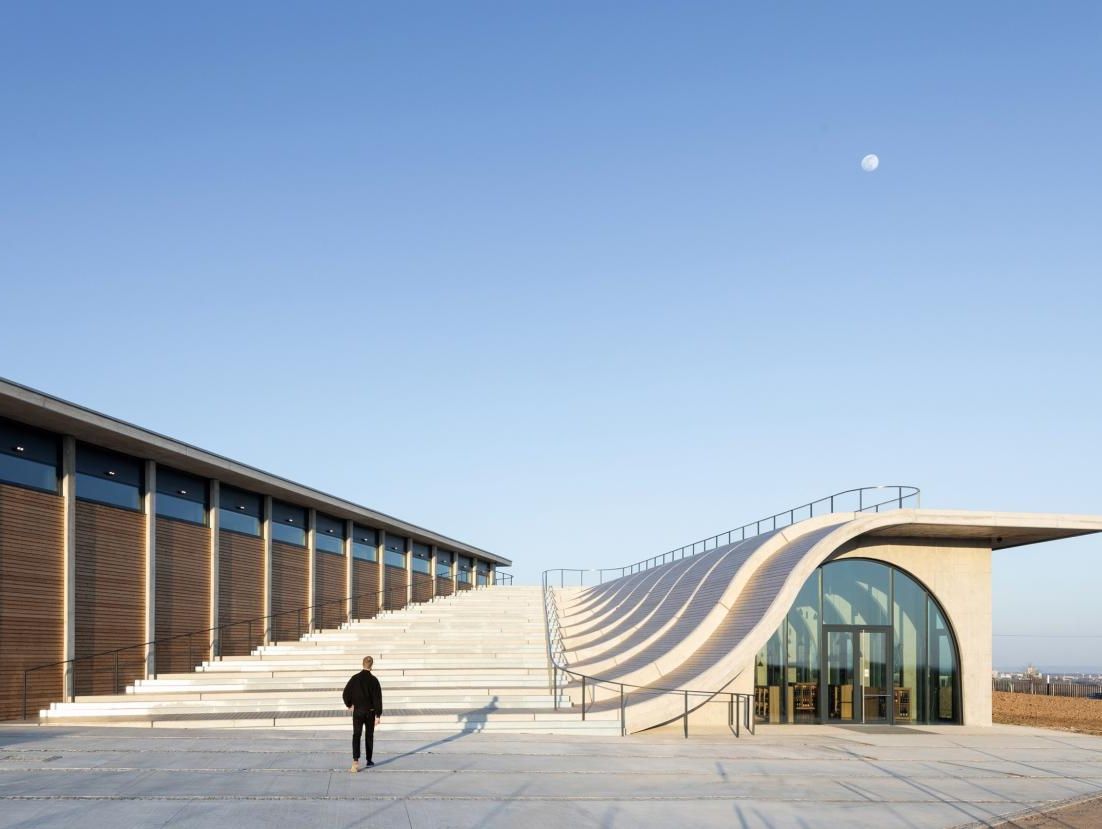
Vinarstvi Lahofer, Dobsice, Czechy. Systems used: MB-104 Passive, MB-SR50N, MB-78EI
Real-Time Energy Consumption Monitoring
Technological systems equipped with artificial intelligence can continuously learn how users interact with a building, allowing them to predict energy demands (such as lighting and heating) and manage them intelligently.
Window shutters, such as SkyRoll, offered by Aluprof, do not independently use AI but are equipped with sensors that enable intelligent control. Using the ZenproSmart Control system, users can control shutters with a smartphone, program activation scenarios, and respond to sun and wind sensors.
Adaptive architecture, or a building's ability to adapt to occupant behavior, can significantly reduce energy consumption. This is confirmed by research conducted by Rodriguez-Garcia at CIESOL, University of Almeria, which demonstrated that equipping a home with an energy management automation system can achieve energy savings of 20-40%.
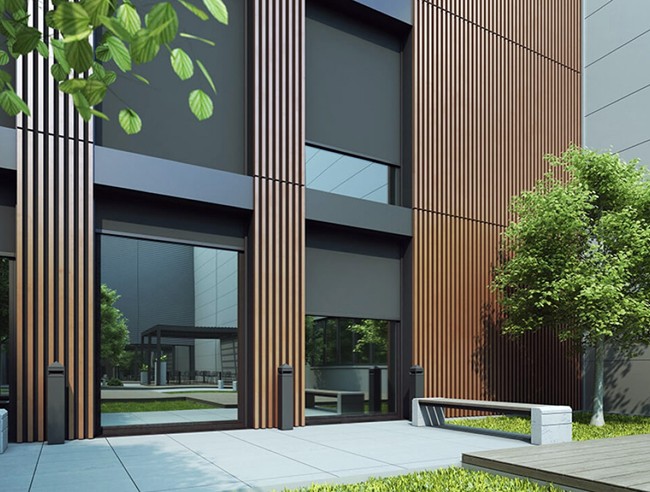
Aluprof Screen-Type Sun Protection System
Optimization of Interior Spaces
Architects and engineers can use AI to optimize the spatial layout of buildings. By analyzing data related to usage and approach, AI helps eliminate wasted space and materials. Through machine learning algorithms and data analysis, AI provides new, efficient ways to organize a building's interior.
For Bogdan Zahy from Zaha Hadid Architects, utilizing modern computational capabilities has transformed the approach to design. The architect emphasizes that "parametricism is more than just tools. It is a way of thinking about architecture and its social role" and cites a research project conducted at the University of Applied Arts in Vienna, where technology was used to predict human behavior in designed spaces. Such simulation enables the design of structures that better serve their users.
Improving User Comfort and Health
Both space optimization and energy demand analysis create more comfortable conditions for building users. Intelligent control of sunlight through shades, air conditioning, and humidity management helps care for both the environment and the building's occupants.
Modern studies highlight the critical role of natural light in user health and well-being. In projects utilizing Aluprof aluminum solutions, there is a strong emphasis on maximizing light access. Innovations like the MB-79N and MB-79N US models allow for the creation of large and heavy windows and the achievement of uniform facades where window sashes are invisible from the outside.
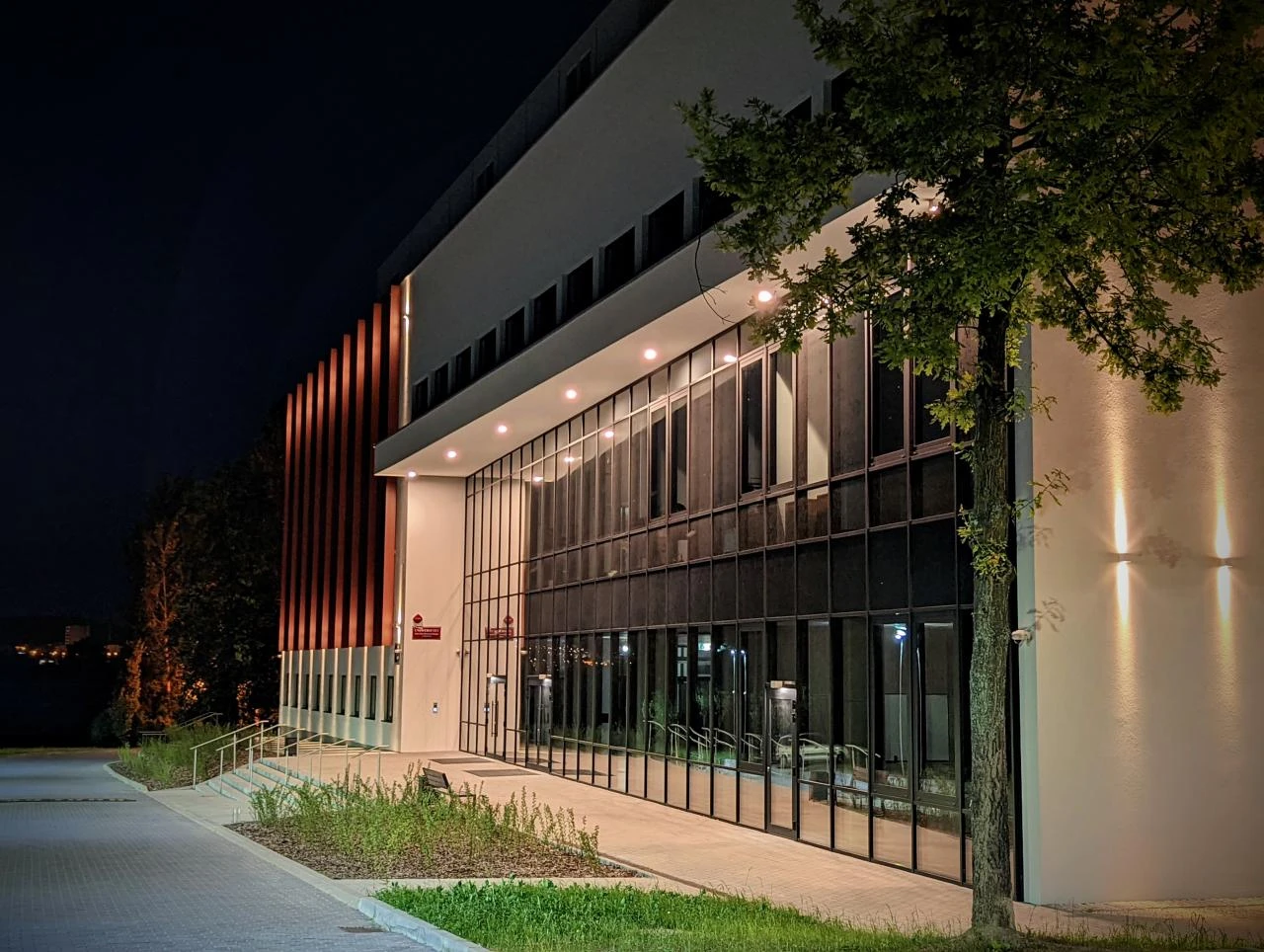
Faculty of Law and Social Sciences, Jan Kochanowski University, Kielce, Poland. Systems used: MB-45, MB-78EI, MB-SR50N, MB-79N.
Modern Aesthetics Supported by AI
AI and computational technologies enable the design of visually stunning structures that are also safe for users and environmentally friendly. Parametric programming systems utilize hundreds of data points—from environmental factors (e.g., wind direction and intensity, sunlight, temperature ranges, atmospheric pressure, vibrations, frequency of lightning) to social factors (e.g., human behavior inside and outside the building, the character of the neighborhood) to psychological factors (e.g., individual behavior within the building and its surroundings)—to create the most efficient structures. Changing one parameter causes a cascade of structural and visual changes, but AI allows the entire process to occur swiftly. Architects can literally sculpt a building as they wish.
– This is a significant change and convenience for designers, who continue to shape the building but can do so more efficiently, quickly, and with less effort, while being able to realize bolder projects in terms of form, emphasizes Rafael Altheim.
Let’s build a better future
The conclusion is clear: combining sustainable architecture with AI opens new possibilities for designing buildings that are not only energy-efficient and environmentally friendly but also comfortable and healthy for users. This is a step towards a more sustainable future in construction. For investors and real estate clients, this means ecological benefits and cost savings in operation. Investing in these innovations is certainly worthwhile to ensure a better quality of life and utilize properties ready to meet future challenges.