
A strategic approach to renovation and its role in the construction market
Hamburg Port Authority, Hamburg, Niemcy. Zastosowane systemy: MB-70 (źródło: AdobeStock)
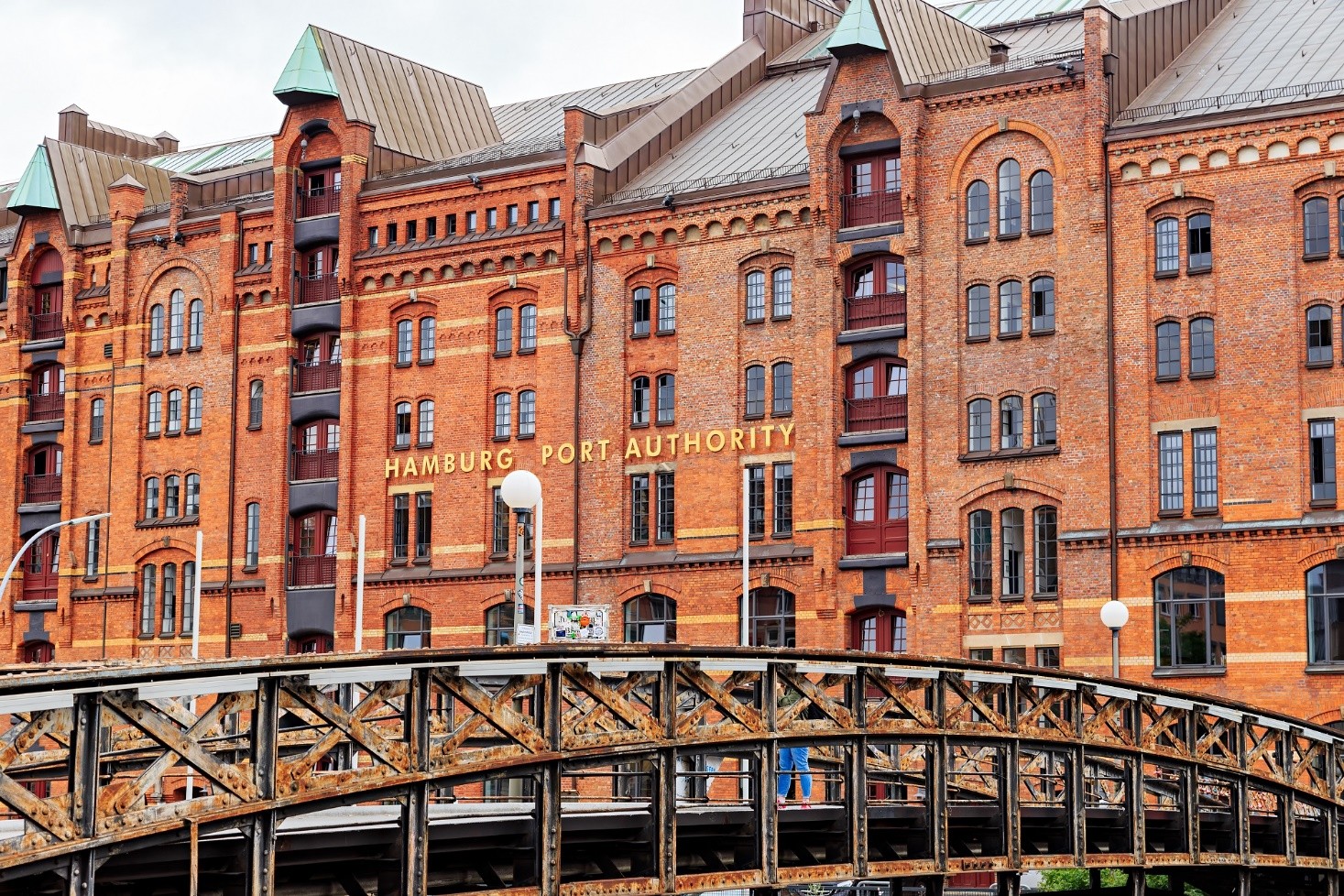
Hamburg Port Authority, Hamburg, Germany. Systems used: MB-70 (source: AdobeStock)
Building renovation and sustainable construction
Europe aims to become a climate-neutral continent. To achieve this, the European Union is implementing programmes across all of its key sectors. The construction sector, too, has been set the major challenge of achieving climate neutrality by 2050. To this end, all newly constructed buildings must meet the rigorous standards of so-called sustainable construction. The “Energy Concept” plan assumes that over the next 25 years, energy demand in buildings will be reduced by around 80%, which requires the use of specific technologies.
But what about the owners of existing buildings? Germany is no exception here – it is full of structures built decades or even centuries ago. For them, renovation is becoming the best solution.
According to the statistics, however, the renovation and adaptation of buildings to the requirements of today’s world is not progressing exactly as planned. Despite special loan programmes and tax deductions (e.g. Haushaltsnahen Dienstleistungen), the renovation rate in Germany remains significantly below target. According to the Federal Association for Energy-Efficient Building Envelopes (BuVEG), in 2023, instead of the planned 2% of buildings to be revitalised annually, the actual result was around 0.83%.
Fortunately, the development of modern construction technologies and access to compelling market solutions are making building renovation easier with every passing year.
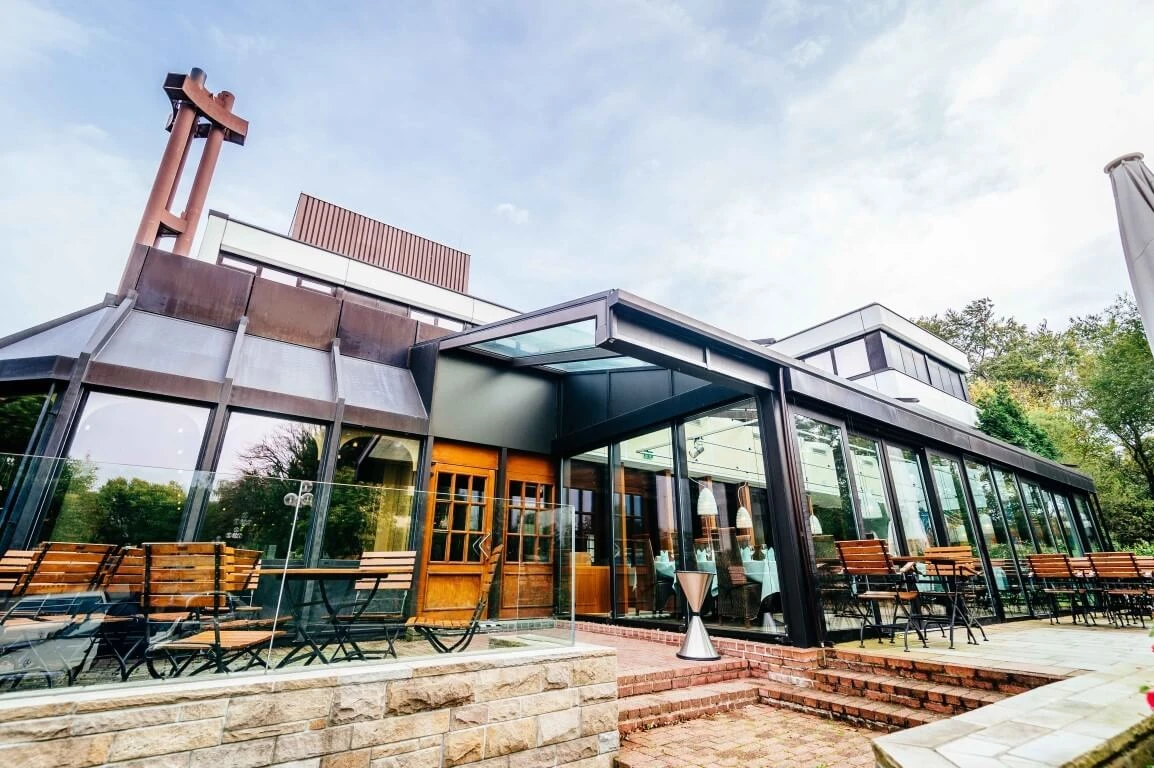
Hotel Bredeney, Essen, Germany. Systems used: MB-77HS, MB-SR50N HI
Modern construction technologies in the service of renovation
We value innovation in virtually every area. That is why modern technologies emerging on the construction market attract our attention. What is more, they can be readily adapted to local projects, making it possible to gradually align older buildings with the requirements of contemporary construction practice.
A perfect example is Aluprof, which supplies the market with windows and doors based on aluminium systems. The brand is known for its commitment to the natural environment, which is why its solutions place particular emphasis on energy efficiency and climate neutrality.
Its broad product range is tailored to a variety of construction applications, including revitalisation projects. In this respect, several noteworthy solutions can be identified for renovation schemes. These include, among others:
- MB-FERROLINE – aluminium windows with a thermal break, enabling frames to be shaped to fit non-standard window openings perfectly. In this way, they can imitate the appearance of historic windows while preserving the original architectural style,
- MB-MT50 - aluminium façades designed in line with Cradle to Cradle guidelines that reflect the principles of the circular economy,
- MB-79N, MB-86N – aluminium windows and doors characterised by excellent thermal insulation properties, significantly reducing the energy demand of revitalised buildings,
- MB-SLIMLINE – highly thermally insulated aluminium windows with slim frames that give them a lightweight appearance.
Windows are among the most important elements of any building, directly affecting its energy demand. For this reason, choosing the right windows for new and revitalised developments can deliver considerable savings in this area. Aluprof windows are not only energy-efficient thanks to the insulation technologies used in them. They also guarantee high manufacturing quality and the durability of aluminium as the primary frame material. Aluminium can be sourced entirely from recycling, which means that the carbon footprint can be reduced by more than 90% already at the production stage compared with the energy required to prepare primary raw material.
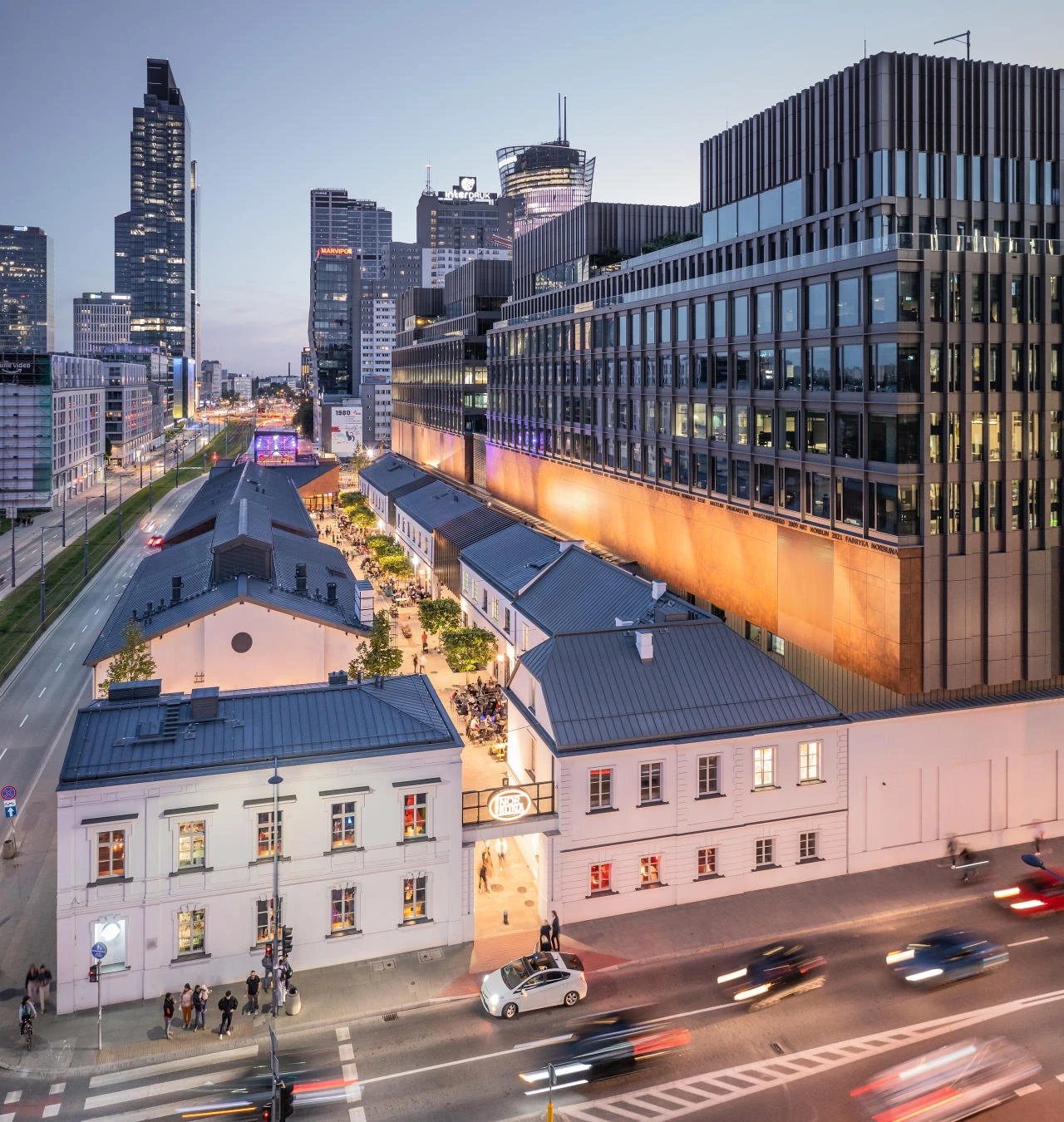
Fabryka Norblina, Warsaw, Poland. Systems used: MB-SR50N HI+ (system with Cradle to Cradle certification)
Let's build a better future
The company Aluprof focuses on solutions designed to ensure the environmental neutrality of buildings that use them in practice. This applies not only to new construction projects, but also to revitalisation schemes. The need to comply with environmental protection programmes while at the same time preserving the architectural cultural heritage makes renovation a natural choice in the policy of implementing sustainable construction principles.
That is why, when giving old buildings a second life, it is worth choosing proven solutions that not only deliver real savings but also help build a better tomorrow for future generations. A tomorrow in which climate change associated with the development of our civilisation will not have such a destructive impact on the natural environment.