
5 reasons to use aluminum in modern architecture
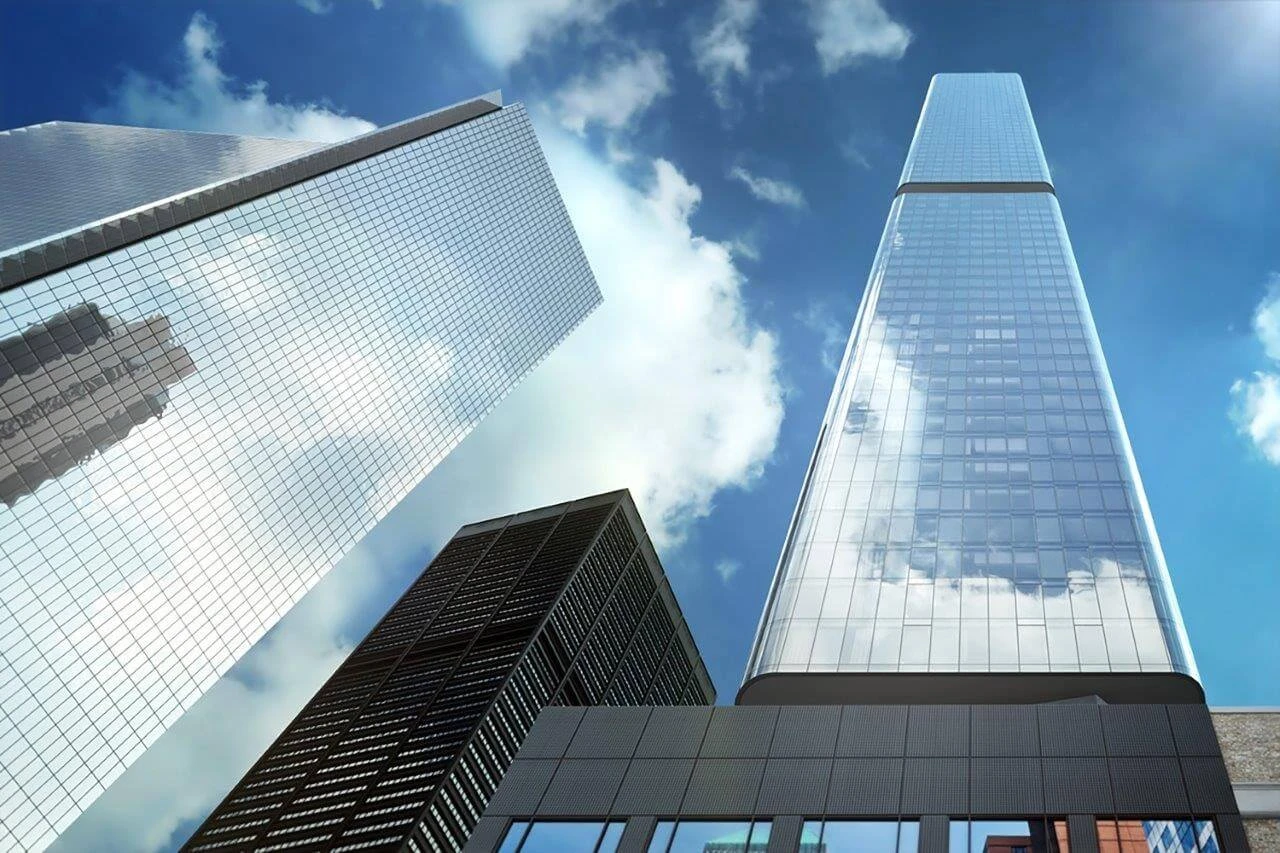
125 Greenwich Street, New York, United States. Systems used: MB-SE98 SG.
Energy efficiency, ecology, functionality and modern design – these are the slogans that best describe the trends in construction for the coming years. Investors are continually seeking technologically advanced materials and systems that not only realise the goals of sustainable construction but also guarantee high durability while preserving the building’s aesthetics. Aluminium systems respond to all these needs, and in addition to the aforementioned features they offer a range of solutions that meet even the highest requirements.
The construction industry began using aluminium at the beginning of the last century. In commercial construction it was first employed in the realization of the New York skyscraper Empire State Building. The Aluminaire House was the first metal house on the American market.
Today aluminium has a very wide range of applications in the construction industry, and its popularity is driven by a number of its advantages.
Flexibility and strength
Buildings in the shape of a sphere or circular plan, streamlined panoramic roofs, or glass facades arranged in zigzag forms might sound like architectural abstraction. However, the use of modern solutions allows the creation of buildings whose volumes differ completely from traditional, square blocks. Realising even the boldest visions of architects is possible thanks to the use of aluminium in construction. A metal whose indisputable advantage is its flexibility, it readily yields to bending, enabling the most fanciful shapes. On the other hand, despite its flexibility, it exhibits high strength characteristics.
– The combination of light weight and flexibility with exceptional durability and corrosion resistance makes aluminium a versatile material that enables the creation of complex spatial forms and the execution of innovative architectural projects – says Wojciech Brożyna, managing director of Aluprof UK.
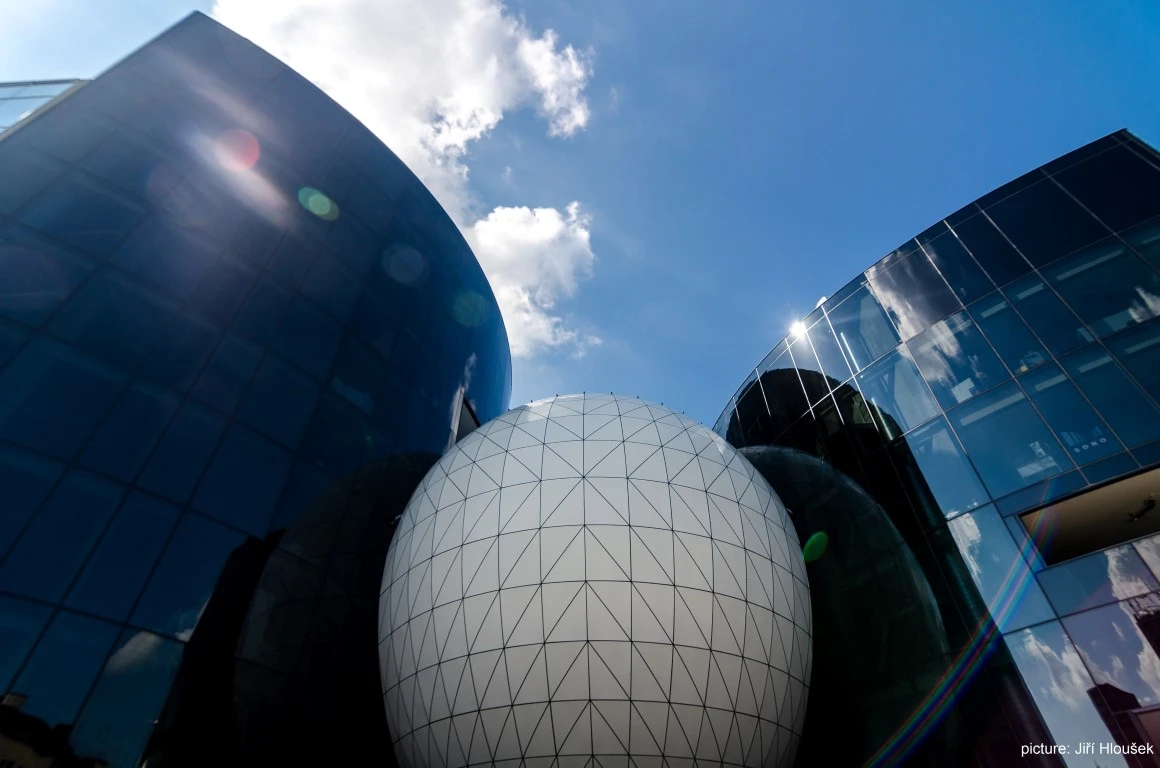
Sono Centrum, Brno, Czech Republic. Systems used: MB-SR50N.
The excellent load-bearing capacity of aluminium and its resistance to mechanical stresses make the metal an ideal choice for constructing load-bearing structures with high loads. A prime example is the residential skyscraper at 125 Greenwich Street in Lower Manhattan. This nearly 300-metre-tall tower required the highest quality construction solutions. The aluminium systems from Aluprof used in this project ensured not only high structural strength but also a comfortable living space.
– Large glazed openings based on our products let in a lot of daylight, and special systems allow windows to be opened even at heights of up to 100 metres – explains Wojciech Brożyna.
Ecology
Another reason to be interested in aluminium solutions in construction is the positive impact of using this metal on the environment. Its ecological character concerns both the production process and its impact on nature during the use phase.
Aluminium is valued by the construction market for the possibilities of recycling metal scrap. According to data from the International Aluminium Association, global recycling efficiency in 2020 was 76% , and about 90% of the metal used in construction and transport is recovered. Already today the global aluminium recycling market is valued at USD 99,950 million, and in less than five years is expected to reach USD 100,220 million.

Nove Apollo, Bratislava, Slovakia. Systems used: MB-86 SI, MB-SR50N HI+.
Of course, behind this ecological trend are manufacturers of advanced aluminium systems.
– Aluprof systems are made from material that can be recycled. Additionally, within the Kęty Group, of which our company is a part, we place particular emphasis on using elements derived from recycling in production, perfectly fitting the idea of circular construction – explains Wojciech Brożyna. – It is worth noting that the carbon footprint of Kęty Group profiles is only 3.3 kg CO2e/kg compared to 9.0 kg CO2e/kg (the European average according to the European Aluminium Association data).
The total post-consumer and pre-consumer scrap content in the brand's products in 2022 reached 65%, and in 2023 the completion of the Bratislava hotel Nove Apollo is nearing completion, where the use of recycled aluminium was a major investor requirement.
Energy efficiency
The use of aluminium window, door and façade systems is quite common in passive and energy-efficient construction. Investors seeking solutions with the best insulation parameters are increasingly turning to aluminium systems. This is all the more true since they meet insulation requirements not only thermal but also acoustic or watertightness. An example of a solution with high insulation parameters is, for instance, an aluminium post-and-beam curtain wall in the MB-SR50N HI+ system, where – in order to achieve optimal thermal and acoustic insulation – an insulator made of PE was used, guaranteeing very good thermal insulation (Uf from 0.59 W/m2K). It is worth noting that this system also exhibits high watertightness (RE 1200 Pa EN 12154) and impact resistance (15/E5 EN 14019) while maintaining air permeability at AE 1200 Pa.
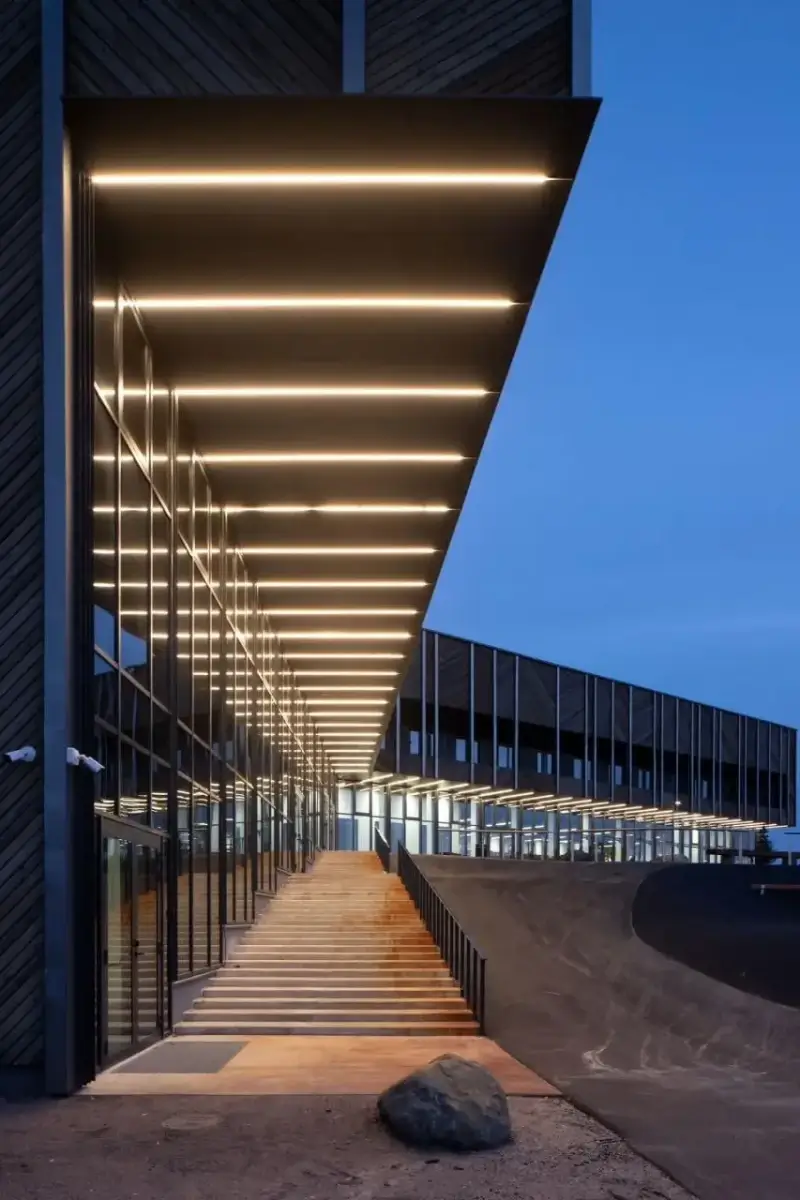
Hiiumaa Sports Center, Hiiumaa, Estonia. Systems used: MB-70, MB-78EI, MB-78EI DPA, MB-SR50N, MB-SR50N EI, MB-SR50N HI+.
Another example of systems with high insulation parameters, which do not exclude the use of numerous glazing elements, are aluminium windows and doors in MB-86N or MB-79N systems. Both solutions guarantee good thermal insulation (Uw from 0.62 W/(m2K) and Uf > 0.83 W/(m2K)) and watertightness while preserving appropriate air permeability. On the other hand, both systems allow modern glazing that does not negatively affect the building’s insulation. An added value is also their functionality.
– The MB-79N system enables fixed, casement, tilt, tilt-and-turn, tilt-and-slide windows, as well as external doors single- and double-leaf and storefront solutions with doors – says Wojciech Brożyna.
Efficiency
Since we are talking about the possibility of applying original, design-oriented glazing in aluminium systems, one cannot overlook the efficiency of using such solutions in architecture. The lightness, strength and flexibility of the metal go hand in hand with modern glazing that can reach several meters in height.
– Even in the case of aluminium sliding doors with a hidden frame in MB-Skyline Type R, the height of the construction can reach as much as 4 m, and the leaf weight (with the hidden actuator) – up to 1200 kg – confirms Wojciech Brożyna. – Despite its weight, opening doors does not require a lot of force, and the whole system operates quietly.
Importantly, Aluprof has complemented the above solution with additional elements: a handle that enables the creation of an aesthetically neat manual sash with a minimalist look, and a static pillar dedicated to creating fixed bays with double-sash construction.
The window- and door-systems offered by the brand – besides their modern appearance and good insulation parameters – also stand out for high functionality. An example are systems suitable for terrace structures or winter gardens. For such projects investors often opt, among others, for aluminium accordion doors in MB-86 FOLD LINE HD system, which can open both inwards and outwards, and can have any sash configuration (max. 8 leaves). The system is not only efficient but also meets high user requirements.
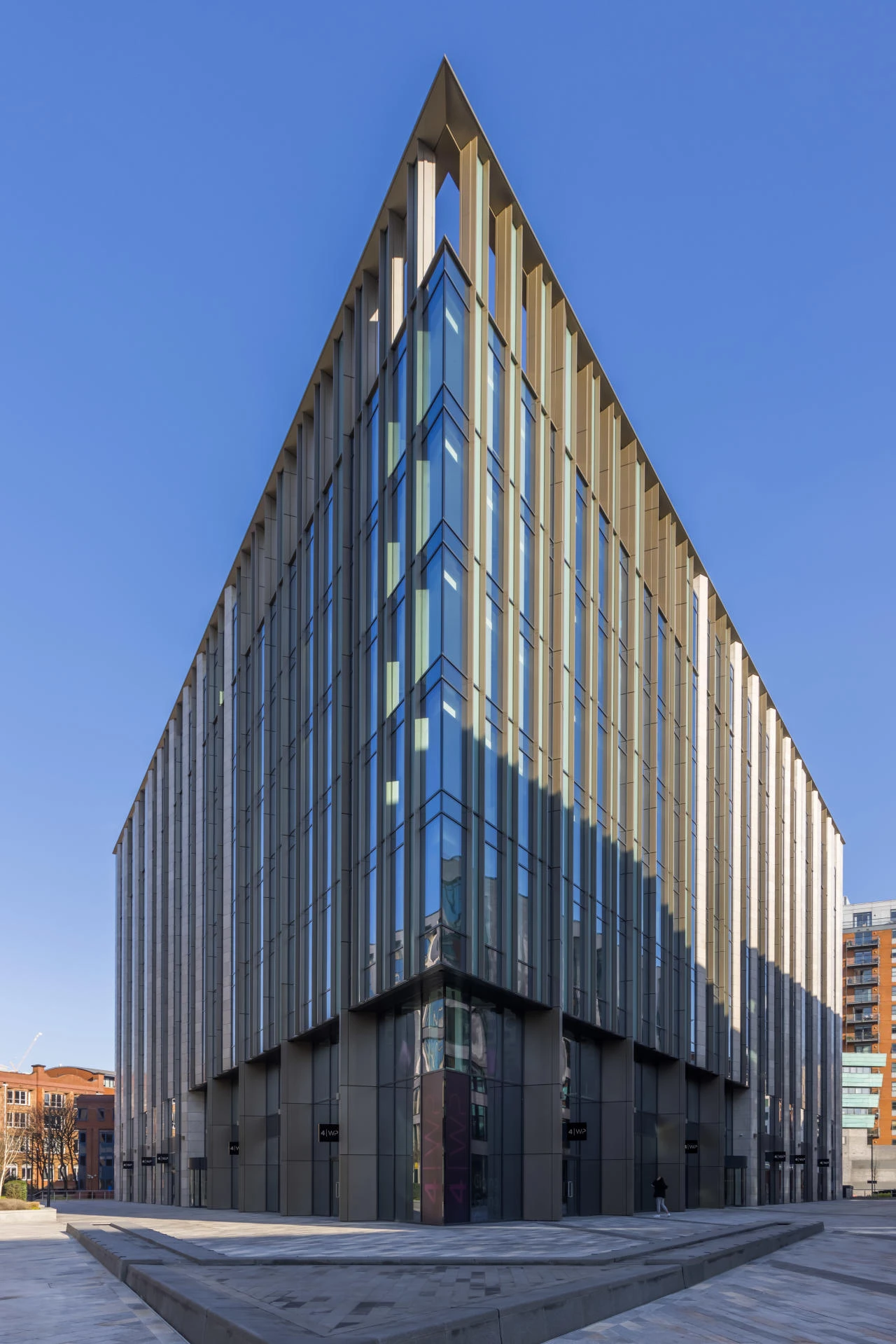
4 Wellington Place, Leeds, United Kingdom. Systems used: MB-77HS, MB-86 Foldline, MB-SR60N, MB-SR60N HI.
Another solution dedicated to demanding investments are aluminium doors in MB-100GFT system, designed for commercial and public-use buildings, including galleries, restaurants, offices. Its advantages are chiefly high durability, a low threshold with ramp, a concealed closer in the frame and the so-called “safe closing.”
– The MB-100GFT system’s advantages will be appreciated by anyone seeking doors with robust construction and high mechanical resistance (even up to 1,000,000 cycles). In this system you can fabricate, among others, single- and double-leaf doors, storefronts and spatial constructions that feature high aesthetics as well as convenience and safety of use – says Wojciech Brożyna.
The solution is available with two insulation variants – SI and ST – which allows selecting the appropriate thermal version.
Let’s build a better future!
Undoubtedly, aluminium is a material that will be a permanent fixture in the construction of the future. It is already valued by the market today, and its prudent use will enable the realization of sustainable and environmentally friendly construction. The extent to which the industry actually leverages these advantages depends on its openness to pursuing modern metal processing technologies.
– The same properties of aluminium do not guarantee success. To fully unlock its potential, the right technology is essential – says Wojciech Brożyna.
Aluprof has been investing in innovative solutions for decades to make the most efficient use of the potential of this exceptional material, which is used in the construction of prestigious projects. All with the future of generations to come in mind…